Common Roof Problems in Eagle, ID: A Homeowner’s Guide to Repairs

Protecting Your Treasure Valley Home Starts from the Top

For homeowners in Eagle, Idaho, a sturdy and reliable roof isn’t a luxury—it’s a necessity. The Treasure Valley’s distinct four-season climate, from hot, dry summers to cold winters with snow and occasional high winds, puts constant stress on your home’s most critical shield. Ignoring minor issues can quickly lead to major, costly damage. Understanding the common roof problems local homeowners face is the first step in protecting your investment and ensuring your family stays safe and dry. Whether it’s a small leak or significant damage after a storm, knowing when to call for a professional roof repair in the Boise area can save you time, money, and stress.

Identifying Key Signs of Roof Damage

Early detection is crucial for minimizing repair costs and preventing structural issues. Many signs of roof trouble are visible from the ground, while others require a closer look. Here are the most prevalent problems to watch for on your Eagle home.

Leaks and Water Intrusion

The most obvious sign of a problem is a water stain on your ceiling or walls. Leaks can originate from various sources, including damaged shingles, failing flashing around chimneys or vents, or ice dams that form during winter. Even a small leak can lead to mold growth, rotted framing, and damaged insulation, compromising your home’s structural integrity and air quality. If you suspect an issue, getting a prompt roof inspection in Boise is essential.

Damaged or Missing Shingles

Walk around your property and look up at your roof. Do you see shingles that are cracked, curled at the edges, or buckling? Are there any missing altogether, especially after a windstorm? These are clear indicators that your roof’s primary water-shedding layer is compromised. The intense sun in the summer can cause shingles to age and become brittle, while strong winds can lift and tear them away, leaving the underlayment exposed.

Wind and Hail Damage

The Treasure Valley is no stranger to sudden, severe weather. Hail can leave dents or pockmarks on asphalt shingles, dislodging the protective granules that shield them from UV rays. High winds can create a lifting effect on the edges of your roof, breaking the sealant and making it easy for rain to get underneath. After any significant storm, it’s wise to schedule an inspection to assess for potential hail or wind damage. Often, this damage isn’t visible from the ground but can cause slow leaks over time.

Clogged Gutters and Poor Drainage

While not part of the roof itself, your gutters play a vital role in its health. If they become clogged with leaves, pine needles, or other debris, water can back up and overflow. This trapped moisture can seep under the eaves and into the roof decking, causing rot and decay. In winter, clogged gutters contribute to the formation of destructive ice dams.

Did You Know?

  • The granular surface on asphalt shingles does more than add color; it protects the shingle from UV radiation, which can cause it to become brittle and fail prematurely.
  • Proper attic ventilation is crucial for your roof’s longevity. It helps regulate temperature and moisture levels, preventing ice dams in the winter and reducing heat buildup in the summer that can bake shingles from underneath.
  • Many homeowner’s insurance policies cover storm-related damage. A professional contractor can help document the issues and guide you through the roof insurance claims process.

The Eagle, ID Factor: Local Roofing Challenges

Living in Eagle provides a fantastic quality of life, but our local environment presents specific challenges for roofs. The freeze-thaw cycle during late fall and early spring can be particularly harsh. Moisture that gets into small cracks can freeze, expand, and turn minor issues into significant gaps. This makes timely repairs on your Eagle, Idaho roof even more critical.

Furthermore, the strong sun exposure at our elevation can accelerate the aging of roofing materials. This is why choosing quality materials and a contractor with local experience is so important. A professional team understands which materials stand up best to Idaho’s climate and how to install them for maximum durability and performance, whether it’s for a residential home or a commercial property.

Don’t Wait for a Drip to Become a Downpour

Your roof is too important to leave to chance. If you’ve noticed any of the warning signs or simply want peace of mind, contact the trusted local experts at Team Construction for a complimentary, no-obligation roof inspection.

Get Your Free Estimate

Frequently Asked Questions

How often should I have my roof inspected?

It’s a good practice to have your roof professionally inspected at least once every two years, and always after a major storm involving high winds or hail. Regular inspections can catch small problems before they escalate.

Can my roof be repaired, or does it need to be replaced?

This depends on the age of your roof and the extent of the damage. If the damage is localized to one area or if the roof is relatively new, a repair is often sufficient. However, if the roof is nearing the end of its typical lifespan (20-25 years for asphalt shingles) or has widespread damage, a replacement might be more cost-effective in the long run.

Will my insurance cover the cost of a roof repair?

Most homeowner’s insurance policies cover roof damage caused by “acts of God,” such as wind, hail, or falling trees. They typically do not cover damage resulting from normal wear and tear or lack of maintenance. At Team Construction, we specialize in insurance restoration and can help you navigate the claims process.

What happens during a professional roof inspection?

A professional inspector from Team Construction will safely examine all aspects of your roofing system. This includes the condition of the shingles, the integrity of the flashing around chimneys and vents, the state of your gutters, and the condition of the attic ventilation. We document our findings with photos and provide you with a clear, honest assessment and a free estimate for any necessary work.
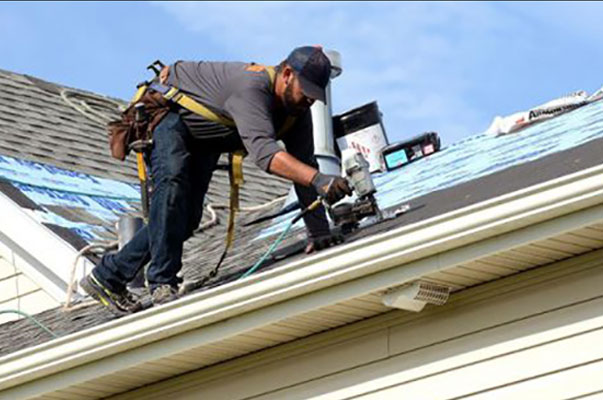
Spotting the Signs: When Is It Time for Roof Repair in Boise?


How to Identify Common Roof Problems Before They Become Disasters

Your roof is your home’s first line of defense against the Treasure Valley’s dynamic weather. From blistering summer sun to heavy winter snow, your roof endures a lot. Ignoring small issues can quickly lead to extensive, costly damage. Proactively identifying the need for a roof repair in Boise is the key to protecting your property’s value and structural integrity. Many signs of roof failure are visible long before a drip appears in your living room, and knowing what to look for can save you thousands in the long run.

Key Warning Signs Your Roof Needs Attention

1. Leaks and Water Stains

The most obvious sign of a roof problem is evidence of water inside your home. Look for discoloration, brown or yellow stains, or peeling paint on ceilings and walls. Don’t forget to check your attic for damp insulation, water stains on the rafters, or a musty odor, as these are often the first places leaks appear. Even a small, intermittent leak can cause significant secondary issues like mold growth and wood rot.

2. Damaged or Missing Shingles

A visual inspection from the ground can reveal a lot about your roof’s health. Search for shingles that are cracked, curling, buckled, or completely missing. High winds, a common occurrence in Boise, are often the culprit behind missing shingles, leaving your roof’s underlayment exposed to the elements. Curled or buckled shingles can indicate age, improper installation, or poor attic ventilation.

3. Granule Loss

Asphalt shingles are coated with granules that protect them from harsh UV rays and weather. Over time, these granules wear away. You might notice dark, coarse particles accumulating in your gutters or downspouts. Significant granule loss, sometimes appearing as dark or “bald” spots on your roof, is a clear sign that your shingles are nearing the end of their lifespan and losing their protective capabilities.

4. Compromised Flashing

Flashing consists of thin metal strips installed around chimneys, vents, and skylights to direct water away from seams. If this material is cracked, corroded, or loose, it creates an easy entry point for water. Compromised flashing is a frequent source of leaks and requires professional attention to ensure a proper seal.

The Critical Difference: Repair vs. Replacement

Deciding between a repair and a full replacement depends on several factors. While a professional inspection is the best way to get a definitive answer, this table can help you understand what to expect.

Symptom Likely Solution: Repair Likely Solution: Replacement
Isolated Leak / A Few Missing Shingles ✔️ If damage is limited to a small area and the rest of the roof is in good shape.  
Roof Age (Asphalt Shingles) ✔️ If the roof is relatively new (under 10-15 years old). ✔️ If the roof is over 20 years old and showing signs of wear.
Widespread Damage / Multiple Leaks   ✔️ When damage affects a large portion of the roof or there are several problem areas.
Significant Sagging   ✔️ Sagging indicates a potential structural issue that requires a comprehensive solution, not a simple patch.

Ultimately, only a thorough roof inspection can determine the best course of action for your property.

Did You Know?

  • The Boise area experiences a semi-arid climate with hot summers, cold winters, and notable temperature swings that can stress roofing materials over time.
  • Delaying minor roof repairs can lead to major problems like structural damage, decreased energy efficiency, and hazardous mold growth.
  • Many homeowner’s insurance policies may cover roof repairs caused by specific events like wind or hail. Expert assistance with roof insurance claims can be invaluable after a storm.

Your Local Roofing Experts in Boise and the Treasure Valley

Understanding how the local climate impacts residential roofing is crucial. Boise’s heavy winter snowfall can create ice dams, which prevent proper drainage and force water under your shingles. Spring can bring hailstorms and strong winds, while intense summer UV rays degrade materials over time. As a local contractor serving Boise, Meridian, and Eagle, Team Construction understands these unique challenges. We provide solutions that are built to last through every Idaho season.

Whether you have a minor leak or suspect significant storm damage, prompt action is essential. Our team provides comprehensive inspections to assess the condition of your roof and offers clear, honest recommendations. We handle everything from minor repairs to full replacements, ensuring quality workmanship and peace of mind.

Don’t Wait for a Drip! Protect Your Boise Home.

Noticed a missing shingle or a stain on your ceiling? Schedule a free, no-obligation roof inspection with Team Construction. Our experts will identify any potential issues and provide you with a detailed estimate to protect your investment.

Get Your Free Estimate Today

Frequently Asked Questions

How often should I have my roof inspected in Boise?

It’s a good practice to have your roof professionally inspected every 1-2 years and always after a major storm involving high winds or hail. Regular inspections can catch minor issues before they escalate.

Can I repair my own roof?

While some minor fixes might seem simple, DIY roof repair can be dangerous and may void your roof’s warranty. Professionals have the right safety equipment, training, and materials to ensure the job is done correctly and safely.

What if I suspect storm damage to my roof?

If you suspect wind and hail damage, call a professional for an immediate inspection. Document any visible damage from the ground and check your gutters for shingle granules. A qualified contractor can help you navigate the entire process, including assisting with insurance claims.

Does my homeowner’s insurance cover roof repairs?

Most standard policies cover roof damage from sudden, accidental events like storms, wind, or hail. However, they typically do not cover damage resulting from lack of maintenance or old age. Team Construction specializes in navigating roof insurance claims and can help you through the process.

Boise Roof Repair: Telltale Signs Your Roof Needs Professional Attention

Protecting Your Treasure Valley Home Starts from the Top

Your roof is your home’s first line of defense against the diverse Idaho weather, from summer sun and hail to winter snow and wind. But because it’s out of sight, it’s often out of mind—until a small, hidden issue becomes a major problem. Minor leaks, missing shingles, or gradual wear can quickly escalate, leading to significant water damage, structural issues, and costly repairs. Understanding the early warning signs of roof distress is the key to protecting your investment and ensuring your family’s safety.

For homeowners in Boise, Eagle, and across the Treasure Valley, proactive roof maintenance is not just a good idea; it’s an essential part of homeownership. This guide will help you identify the common signals that your roof is calling for help.

What to Look For Without a Ladder: Spotting Trouble from the Ground

You don’t need to be a roofing expert to spot potential problems. A simple walk around your property can reveal a lot about your roof’s condition. Pay close attention after season changes or significant weather events.

  • Curling, Cracked, or Missing Shingles: Shingles should lie flat against the roof. If you see shingles that are curling at the edges, cracked, or completely missing, it’s a clear sign that they are past their prime and can no longer effectively protect your home from moisture. This is often a result of age or significant wind and hail damage.
  • Shingle Granules in Gutters: When you clean your gutters, look for an accumulation of black, sand-like granules. These granules protect the shingles from UV rays and damage. When they wash away, it indicates that your shingles are aging and becoming brittle, signaling the end of their lifespan.
  • Dark Streaks or Algae Growth: While often a cosmetic issue, dark stains caused by airborne algae can indicate moisture is being trapped on your roof’s surface. In some cases, this can lead to the deterioration of the shingles over time.
  • Damaged Flashing: Flashing consists of metal pieces installed around chimneys, vents, and skylights. If this material is cracked, bent, or rusted, it creates a prime entry point for water.

Inside Your Home: When Your Ceiling and Attic Tell a Story

Some of the most serious signs of roof damage appear inside your home. By the time you notice these issues, the problem has likely been going on for a while. It’s crucial to act quickly to prevent further damage.

  • Water Stains on Ceilings or Walls: Discolored patches, often yellowish or brown, are a definitive sign of a leak. Check the ceilings on your top floor, especially in corners and around fixtures like lights or fans.
  • Peeling Paint or Wallpaper: Moisture seeping into your home’s structure can cause paint and wallpaper near the ceiling to bubble, peel, or blister. This is often a precursor to more visible water stains.
  • Musty Odors in the Attic: An earthy, musty smell in your attic is a strong indicator of mold or mildew growth, which is fueled by moisture from a leaky roof. This not only damages your home but can also pose health risks.
  • Sagging Roof Deck: From inside your attic, look up at the decking (the wooden boards that make up the roof’s frame). If it appears to be sagging or drooping, it’s a sign that it has been compromised by trapped moisture. This is a serious structural issue that requires immediate attention for your entire residential roofing system.

Making the Right Call: Repair vs. Full Replacement

Knowing whether you need a simple roof repair or a complete replacement depends on several factors. A professional inspection is always best, but here’s a quick guide to help you understand the likely solution.

Consider a Roof Repair When… Consider a Roof Replacement When…
The damage is localized to one small area (e.g., a few missing shingles). The damage is widespread across more than 30% of the roof surface.
Your roof is relatively new (less than 15-20 years old) and otherwise in good shape. Your roof is approaching or has exceeded its expected lifespan (20-25 years for asphalt shingles).
The issue is with flashing or vents, not the shingles themselves. You have recurring leaks and have already made multiple repairs.
You want to address a minor issue before it gets worse. You notice significant sagging, or soft spots, indicating a structural problem.

In cases of storm damage, it’s also important to get a professional assessment to determine the extent of the impact and navigate your roof insurance claims properly.

Why Local Expertise Matters in Eagle and the Treasure Valley

The climate in Southwest Idaho presents unique challenges for roofing systems. The intense summer sun can bake and degrade shingles, while winter brings the weight of snow and the potential for ice dams. Sudden hail and wind storms are also a constant threat. A local contractor understands how to select materials and use installation techniques best suited for our specific environment.

Whether you need a full inspection for your Eagle roofing system, a minor patch in Meridian, or a full-scale commercial roofing project in Boise, working with a team that has deep roots in the community makes a difference. Team Construction has served the Treasure Valley for years, providing reliable roof repair in Boise with an understanding of local building codes and weather patterns.

Don’t Wait for a Drip to Become a Deluge

Ignoring the signs of a failing roof can lead to thousands of dollars in damage. Protect your property and your peace of mind. Let the experts at Team Construction provide a thorough and honest assessment.

Schedule Your Free Roof Inspection

Frequently Asked Questions About Roof Repair

How much does a roof repair cost in Boise?

The cost of a roof repair varies widely depending on the type of damage, the roofing materials, and the extent of the problem. A simple shingle replacement might cost a few hundred dollars, while repairing significant structural damage could be much more. We provide free, detailed estimates so you know the exact cost upfront.

Can I repair my own roof?

While DIY might seem tempting, roofing work is dangerous and requires specialized knowledge. An improper repair can cause more leaks and even void your roof’s warranty. It’s always safest and more effective to hire a licensed and insured professional.

How long does a typical roof repair take?

Most minor to moderate roof repairs can be completed by our professional team within a single day. More complex projects might take longer, but we always work efficiently to minimize disruption to your home or business.

What should I do after a major hail or wind storm?

After a severe storm, it’s wise to schedule a professional roof inspection, even if you don’t see any obvious damage from the ground. Hidden damage like bruising on shingles can lead to future leaks. Team Construction offers complimentary inspections to assess for storm damage.

Will my insurance cover my roof repair?

Most homeowner’s insurance policies cover roof damage caused by sudden events like wind, hail, or falling trees. They typically do not cover damage from normal wear and tear or lack of maintenance. Our team specializes in insurance restoration and can help you navigate the entire claims process.

Key Roofing Terms

Flashing: Thin pieces of impervious material, usually galvanized steel, installed to prevent the passage of water into a structure from a joint or as part of a weather-resistant barrier system. It’s found around chimneys, vents, and skylights.

Shingle Granules: Crushed rock and ceramic particles that are coated on the surface of asphalt shingles. They provide protection from UV rays, add color, and improve fire resistance.

Roof Deck/Sheathing: The layer of wood panels (usually plywood or OSB) that covers the rafters and to which the roofing materials (like shingles) are attached.

Underlayment: A water-resistant or waterproof barrier material that is installed directly onto the roof deck before the shingles are applied. It provides a secondary layer of protection from the elements.

Ice Dam: A ridge of ice that forms at the edge of a roof and prevents melting snow (water) from draining off. The water that backs up behind the dam can leak into a home and cause damage to walls, ceilings, and insulation.