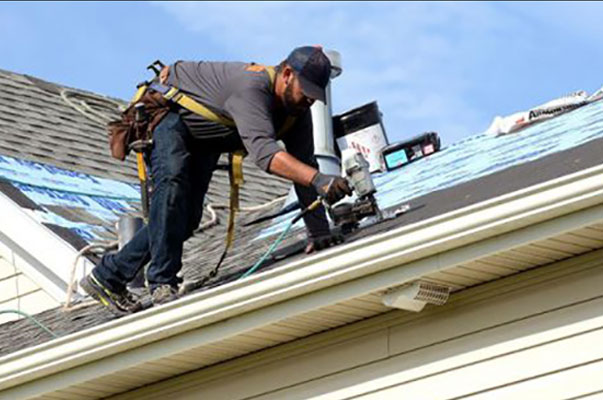
A Homeowner’s Guide to Roof Repair in Eagle, ID

Recognizing the Telltale Signs of Roof Damage Before It’s Too Late

Your roof is your home’s first line of defense against the elements, from Eagle’s hot summer sun to winter snowstorms. Yet, it’s an area of the home many of us overlook until a problem becomes undeniable. A small leak or a few damaged shingles can quickly escalate into costly structural issues, water damage, and mold growth. Understanding the early warning signs of roof trouble can save you significant time, money, and stress. This guide will help you identify when it’s time to call in a professional for roof repair in the Treasure Valley and protect your most valuable asset.


The Subtle (And Not-So-Subtle) Signs of Roof Trouble

Water Stains on Ceilings or Walls

This is one of the most common red flags. Brownish or discolored spots on your ceiling, particularly in upper-floor rooms or corners, often indicate a slow leak. By the time you see the stain, the water has already saturated your insulation and drywall. It’s crucial to address the source of the leak immediately to prevent further interior damage and the potential for mold.

Missing, Cracked, or Curling Shingles

Take a look at your roof from the ground. Do you see any shingles that are lifting at the edges, cracked, or missing entirely? This exposes the underlying roof structure to moisture. High winds, a common occurrence in our region, are a primary cause of this type of wind and hail damage. Damaged shingles compromise your roof’s ability to shed water effectively and should be replaced promptly.

An Excess of Granules in Gutters

Asphalt shingles are coated with granules that protect them from harsh UV rays and weathering. As a roof ages, these granules begin to flake off. While finding a few is normal, if you notice large accumulations in your gutters or downspouts, it’s a sign your shingles are nearing the end of their lifespan and losing their protective capabilities.

Sagging or Spongy Roof Deck

A sagging roof is a serious structural concern that requires immediate attention. It often indicates trapped moisture has rotted the underlying decking. If you notice a droop in your roofline or if the roof feels soft underfoot (we strongly advise against walking on a potentially damaged roof), contact a professional Boise roofing contractor for an urgent inspection.


Repair or Replace? Making the Right Decision for Your Home

One of the most frequent questions homeowners ask is whether they need a simple repair or a full roof replacement. The answer depends on the age of your roof, the extent of the damage, and your long-term plans. A professional assessment is the only way to be certain, but here is a general guide to help you understand the options.

Factor Roof Repair Roof Replacement
Age of Roof Generally less than 15-20 years old. Typically over 20 years old or past its warranty.
Damage Extent Localized to one area; less than 30% of the roof affected. Widespread damage, multiple leaks, or major structural issues.
Cost Lower upfront cost. Higher initial investment, but greater long-term value.
Goal Extend the life of the current roof and fix a specific problem. Ensure long-term protection, increase home value, improve energy efficiency.

Did You Know?

  • A single, unchecked roof leak can lead to the growth of harmful mold and mildew within just 24-48 hours.
  • Many comprehensive homeowners’ insurance policies cover roof damage from storms. Working with an expert in roof insurance claims can simplify the process significantly.
  • Regular, professional roof inspections—ideally once a year and after major storms—can extend the life of your roof by catching minor issues before they become major disasters.

Why Local Expertise Matters for Eagle, ID Roofing

When it comes to protecting your home, choosing a local contractor makes all the difference. As a locally owned and operated business, Team Construction understands the specific challenges our Treasure Valley climate presents. We’ve seen firsthand what summer hailstorms and winter ice dams can do to a roof. Our team of Eagle roofing experts is dedicated to providing our neighbors with durable, high-quality solutions tailored to our environment.

When you face a roofing emergency, you need a team that can respond quickly. Our proximity means we can be on-site faster to assess damage, perform temporary repairs, and begin the insurance restoration process, giving you peace of mind when you need it most. We are committed to building lasting relationships within our community based on trust, quality workmanship, and exceptional service.


Don’t Wait for a Drip to Become a Disaster.

If you’ve noticed any of these warning signs, or simply want peace of mind, contact Team Construction today. We offer complimentary, no-obligation roof inspections for homeowners in Eagle and across the Treasure Valley.

Get Your Free Estimate

Frequently Asked Questions

How often should I have my roof inspected in Eagle?

We recommend a professional inspection at least once every one to two years, and always after a significant weather event like a major hailstorm or windstorm. This proactive approach helps identify minor issues before they escalate.

Can I fix a small roof leak myself?

While DIY patch kits exist, we strongly advise against them. It’s difficult to properly identify the source of a leak without experience, and an improper repair can often trap moisture and cause more damage. It’s also dangerous to work on a roof without proper safety equipment.

Will my insurance cover my roof repair?

Most homeowners insurance policies cover damage from “acts of God,” like hail and wind. However, they typically do not cover damage due to age or lack of maintenance. Our team specializes in navigating insurance claims and can help you through the entire process.

What makes Team Construction different from other roofing contractors?

As a locally owned and operated business, our reputation in the community is everything. We focus on quality workmanship, clear communication, and treating every client like family. You can learn more about our commitment to the Treasure Valley by visiting our about us page.

Glossary of Roofing Terms

Flashing: Pieces of metal or other impervious material installed to prevent the passage of water into a structure from a joint or as part of a weather-resistant barrier system. It is commonly found around chimneys, vents, and skylights.

Ice Dam: A ridge of ice that forms at the edge of a roof and prevents melting snow from draining off. The water that backs up behind the dam can leak into a home and cause damage to walls, ceilings, and insulation.

Decking (or Sheathing): The layer of wooden boards (usually plywood or OSB) that is attached to the roof joists. The shingles and underlayment are installed on top of the decking, making it the foundation of the roof.

Your Essential Guide to Residential Roofing in Eagle, Idaho

Protecting Your Treasure Valley Home Starts at the Top

Your roof is your home’s first line of defense against the diverse and sometimes harsh weather we experience in Eagle, Idaho. From hot, sunny summers to cold, snowy winters, a durable and well-maintained roof is crucial for protecting your family and your investment. Choosing the right materials, knowing when to schedule a repair, and understanding the replacement process are key responsibilities for any homeowner. This guide provides the expert insights you need to make informed decisions about your residential roofing, ensuring your home remains safe and secure for years to come.

Whether you’ve noticed a potential issue after a storm or are planning a proactive upgrade, understanding your options is the first step toward a successful roofing project. For residents in Eagle and across the Treasure Valley, having a reliable roof is not just about shelter—it’s about peace of mind.

Choosing the Best Roofing Materials for Idaho’s Climate

The right roofing material must withstand intense UV exposure, heavy snowfall, and potential hail. Here are some of the most popular and effective options for homeowners in Eagle:

Architectural Asphalt Shingles

A top choice for most American homes, and for good reason. Modern architectural shingles are thicker and more durable than traditional 3-tab shingles, offering a dimensional look that boosts curb appeal. They provide excellent protection, come in a wide variety of colors, and offer a great balance of cost, longevity, and performance, making them ideal for Idaho’s four-season climate.

Metal Roofing

Increasingly popular in the Treasure Valley, metal roofing is known for its exceptional durability and longevity. It can last 50 years or more with minimal maintenance. Metal roofs are fire-resistant, shed snow easily to prevent ice dams, and are highly effective at reflecting solar heat, which can help lower energy bills during our hot summers. While the initial investment is higher, the long-term value is significant.

Composite Shingles

Composite shingles are engineered to mimic the look of natural materials like slate or wood shake without the associated high cost and maintenance. They are incredibly durable, resistant to impact, and can withstand severe weather conditions, including high winds and hail. This makes them a smart investment for homeowners looking for both beauty and resilience.

Material Comparison for Eagle Homeowners

Material Average Lifespan Key Advantages Best For
Architectural Shingles 20-30 Years Cost-effective, versatile aesthetics, proven performance. Homeowners seeking a balance of style, durability, and value.
Metal Roofing 50+ Years Extreme durability, energy efficiency, low maintenance, snow shedding. Those prioritizing longevity and long-term performance.
Composite Shingles 40-50 Years High impact resistance, premium look, excellent weather protection. Homeowners wanting the look of natural materials with superior durability.

Recognizing the Signs: When Does Your Roof Need Attention?

Proactive maintenance and early detection of problems can save you from costly interior damage. Don’t wait for a leak to appear in your ceiling. Watch for these common warning signs that indicate it’s time for a professional roof inspection:

  • Curling or Buckling Shingles: Shingles that are curling at the edges or buckling in the middle are past their life expectancy and are vulnerable to wind and water penetration.
  • Missing Shingles: Obvious bald spots on your roof are a clear sign of failure. This often happens after a significant windstorm and exposes the underlayment to the elements.
  • Granules in Gutters: Asphalt shingles have a top layer of granules for UV protection. When these wear off and accumulate in your gutters, it means the shingles are aging and becoming brittle.
  • Visible Water Stains or Leaks: Any sign of water inside your home, a damp attic, or stains on ceilings is an urgent signal that your roof’s integrity has been compromised. Timely roof repair is critical.
  • Damaged Flashing: The metal strips around chimneys, vents, and skylights are crucial for preventing leaks. If flashing is cracked, bent, or rusted, it needs immediate attention.

If you’ve experienced a recent storm, it’s wise to check for damage even if it isn’t immediately obvious. Dealing with potential roof insurance claims can be complex, and a professional assessment provides the documentation you need.

Did You Know?

Proper attic ventilation is just as important as the roofing material itself. Good ventilation helps regulate temperatures in the attic, preventing ice dams in the winter and reducing cooling costs in the summer. It also extends the life of your shingles by preventing them from overheating and deteriorating prematurely.

Why Hiring a Local Eagle, ID Roofing Contractor Matters

When it comes to something as vital as your roof, choosing the right contractor is paramount. While a national chain might seem appealing, a local contractor offers distinct advantages that can make all the difference for your Eagle home.

Knowledge of Local Climate and Codes

A local company like Team Construction understands the specific challenges of roofing in the Treasure Valley. We know which materials perform best against our summer heat and winter snow. Furthermore, we are experts in Eagle’s local building codes and permitting requirements, ensuring your new roof installation is done right and fully compliant from the start.

Community Reputation and Accountability

As a locally owned and operated business, our reputation in the community is everything. We live and work here, serving our neighbors in Eagle, Meridian, and Boise. This means we are fully accountable for our work and are committed to delivering quality craftsmanship on every project. You can trust that we’ll be here to stand by our lifetime warranties long after the job is done.

Faster Response Times

When you have a roofing emergency, like damage after a major hailstorm, you need help fast. Being local means we can provide a prompt assessment and emergency repairs to prevent further damage to your property. We are just a phone call away.

Ready to Protect Your Eagle Home?

Don’t wait for a small issue to become a major problem. Whether you need a comprehensive inspection, a minor repair, or a complete roof replacement, our team is ready to help. At Team Construction, we combine high-quality materials with expert workmanship to give you a roof you can depend on.

Get Your Free Estimate Today

Frequently Asked Questions

How long does a typical residential roof replacement take?

For an average-sized home in Eagle, a complete roof replacement typically takes 1-3 days, depending on the complexity of the roof, the materials being used, and the weather conditions.

Will my homeowner’s insurance cover roof damage?

Most homeowner’s insurance policies cover roof damage caused by sudden events like wind, hail, or falling trees. However, they typically do not cover damage due to age or lack of maintenance. We specialize in insurance restoration and can help you navigate the claims process.

How often should I have my roof inspected?

It’s a good practice to have your roof professionally inspected at least once every two years and always after a major storm. Regular inspections can catch minor issues before they escalate into expensive repairs.

What are ice dams and how can I prevent them?

Ice dams are ridges of ice that form at the edge of a roof, preventing melting snow from draining properly. They can cause water to back up under the shingles and leak into your home. Proper insulation and attic ventilation are the most effective ways to prevent ice dams from forming.

The Ultimate Guide to Residential Roofing in Nampa: Materials, Maintenance, and Choosing a Contractor

Protecting Your Nampa Home Starts From the Top

For homeowners in Nampa, a sturdy, reliable roof is more than just a structural component—it’s your home’s primary shield against the diverse Idaho climate. From hot, sunny summers to cold winters with significant snowfall, your roof endures a lot. Investing in quality residential roofing isn’t just about protecting your property from the elements; it’s about safeguarding your family, enhancing your home’s value, and ensuring peace of mind. A well-maintained roof is a critical asset, and understanding its needs is the first step toward making a smart, long-term investment.

Understanding Nampa’s Unique Roofing Challenges

The Treasure Valley’s four-season climate presents specific challenges for residential roofs. The intense summer sun can cause materials to degrade over time, while winter brings the weight of snow and the potential for ice dams. Perhaps most significantly, our region is prone to sudden storms that bring high winds and hail.

This unpredictable weather makes proactive roof maintenance and timely repairs essential. Recognizing the signs of wind and hail damage early can prevent small issues from escalating into major problems, like water intrusion and structural rot. That’s why choosing materials and a contractor familiar with these local conditions is paramount for Nampa, Eagle, and Meridian homeowners.

Choosing the Right Roofing Materials for Your Home

Selecting the right material is a balance of aesthetics, budget, and durability. Here are a few of the most popular and effective options for homes in the Nampa area:

Asphalt Shingles

Asphalt shingles remain the most popular choice for residential roofing in Idaho, and for good reason. They offer an excellent combination of affordability, versatility, and performance. Modern architectural shingles are thick, durable, and come in a vast array of colors and styles to match any home’s exterior. They provide reliable protection against wind and rain, making them a solid, cost-effective solution.

Metal Roofing

For homeowners seeking superior longevity and durability, metal roofing is an outstanding investment. While the upfront cost is higher, metal roofs can last 50 years or more with minimal maintenance. They are exceptionally resistant to wind, fire, and rot. In winter, their smooth surface helps shed snow, reducing the risk of heavy accumulation and ice dams. They are also highly energy-efficient, reflecting solar heat to keep your home cooler in the summer.

Composite & Synthetic Shingles

If you love the high-end look of slate or cedar shakes but are concerned about maintenance or cost, composite shingles are an excellent alternative. Made from a blend of materials like recycled plastics and rubber, these shingles are incredibly durable and impact-resistant. They flawlessly mimic the appearance of natural materials while offering superior performance against hail, wind, and moisture.

Did You Know?

  • A new roof can significantly increase your home’s resale value. According to remodeling reports, homeowners can often recoup a substantial portion of the installation cost at the time of sale.
  • Proper attic ventilation works hand-in-hand with your roofing system to lower energy bills by preventing heat buildup in the summer and moisture accumulation in the winter.
  • Team Construction is an Owens Corning Preferred Contractor, meaning we use top-quality materials backed by one of the most trusted names in the industry for your Boise and Nampa area roofing projects.

Signs You Need a Roof Repair or Replacement

Catching roof problems early can save you from costly and extensive damage down the line. It’s wise to perform a visual check of your roof from the ground a few times a year, especially after major storms. Here are key warning signs that you need a professional roof repair or replacement:

  • Missing or Damaged Shingles: Look for shingles that are cracked, curling at the edges, or have bald spots where granules have worn off.
  • Granules in Gutters: Finding an excessive amount of shingle granules in your gutters is a sign that your shingles are aging and losing their protective layer.
  • Leaks or Water Stains: Any sign of water in your attic or on your ceilings is an immediate red flag that warrants a professional inspection.
  • Sagging Roof Deck: A drooping or sagging roofline can indicate a serious structural issue, often caused by trapped moisture and rotting wood.
  • Age of the Roof: If your asphalt shingle roof is over 20 years old, it’s likely approaching the end of its effective lifespan, even if there are no obvious visual signs of failure.

Why Hiring a Local Nampa-Area Contractor Matters

When it comes to your roof, choosing a local contractor is just as important as choosing the right materials. A local company like Team Construction, which has served the Treasure Valley since 2007, offers distinct advantages. We have an in-depth understanding of Nampa’s specific building codes and weather patterns. Our reputation in the communities we serve, from Meridian to Eagle, is built on trust and quality workmanship.

Being local also means we’re here when you need us most. After a severe storm, you can count on a swift response for inspections and emergency repairs. We’re your neighbors, and we’re committed to protecting the homes in our community. You can learn more about our commitment to the Treasure Valley and see why so many homeowners trust our team.

Ready to Secure Your Nampa Home’s Roof?

Don’t wait for a small leak to become a major disaster. The skilled team at Team Construction is ready to provide a free, no-obligation roof inspection to assess the health of your roof. We specialize in everything from minor repairs to full replacements and storm damage restoration.

Get Your Free Estimate

Frequently Asked Questions

How long does a new residential roof last in Idaho?

The lifespan depends on the material. A standard asphalt shingle roof typically lasts 20-30 years in the Treasure Valley climate. A metal roof can last 50 years or longer, offering extended protection and value.

Do you help with roof insurance claims for storm damage?

Absolutely. We specialize in storm damage restoration and can guide you through the entire roof insurance claims process. We’ll work directly with your insurance company to ensure repairs are documented correctly and promptly completed.

Can you repair just a small section of my roof?

Yes. If your roof is generally in good condition but has isolated damage, a targeted repair is often the most cost-effective solution. We provide honest assessments and will recommend a repair whenever it’s a viable option.

What kind of warranties do you offer on new roofs?

We stand by our work with quality workmanship and offer lifetime warranties on many of our products. As an Owens Corning Preferred Contractor, we can offer some of the best warranties in the industry, giving you complete confidence in your new roof.

Glossary of Roofing Terms

  • Flashing: Strips of metal or other material installed at joints and intersections of the roof (like around chimneys or in valleys) to prevent water from seeping in.
  • Underlayment: A layer of water-resistant material placed between the roof deck and the shingles as a secondary barrier against moisture.
  • Roof Deck (or Sheathing): The layer of plywood or oriented strand board (OSB) that serves as the foundation of the roof, to which the other roofing components are attached.
  • Granules: The crushed rock and ceramic particles embedded in the surface of asphalt shingles. They protect the shingle from UV rays and add color.
  • Ice Dam: A ridge of ice that forms at the edge of a roof, preventing melting snow (water) from draining off. This can cause water to back up under the shingles and leak into the home.