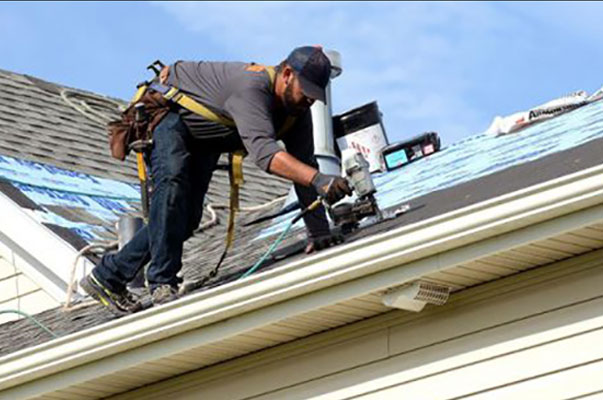
Protecting Your Nampa Home Starts From the Top
For homeowners in Nampa, a sturdy, reliable roof is more than just a structural component—it’s your home’s primary shield against the diverse Idaho climate. From hot, sunny summers to cold winters with significant snowfall, your roof endures a lot. Investing in quality residential roofing isn’t just about protecting your property from the elements; it’s about safeguarding your family, enhancing your home’s value, and ensuring peace of mind. A well-maintained roof is a critical asset, and understanding its needs is the first step toward making a smart, long-term investment.
Understanding Nampa’s Unique Roofing Challenges
The Treasure Valley’s four-season climate presents specific challenges for residential roofs. The intense summer sun can cause materials to degrade over time, while winter brings the weight of snow and the potential for ice dams. Perhaps most significantly, our region is prone to sudden storms that bring high winds and hail.
This unpredictable weather makes proactive roof maintenance and timely repairs essential. Recognizing the signs of wind and hail damage early can prevent small issues from escalating into major problems, like water intrusion and structural rot. That’s why choosing materials and a contractor familiar with these local conditions is paramount for Nampa, Eagle, and Meridian homeowners.
Choosing the Right Roofing Materials for Your Home
Selecting the right material is a balance of aesthetics, budget, and durability. Here are a few of the most popular and effective options for homes in the Nampa area:
Asphalt Shingles
Asphalt shingles remain the most popular choice for residential roofing in Idaho, and for good reason. They offer an excellent combination of affordability, versatility, and performance. Modern architectural shingles are thick, durable, and come in a vast array of colors and styles to match any home’s exterior. They provide reliable protection against wind and rain, making them a solid, cost-effective solution.
Metal Roofing
For homeowners seeking superior longevity and durability, metal roofing is an outstanding investment. While the upfront cost is higher, metal roofs can last 50 years or more with minimal maintenance. They are exceptionally resistant to wind, fire, and rot. In winter, their smooth surface helps shed snow, reducing the risk of heavy accumulation and ice dams. They are also highly energy-efficient, reflecting solar heat to keep your home cooler in the summer.
Composite & Synthetic Shingles
If you love the high-end look of slate or cedar shakes but are concerned about maintenance or cost, composite shingles are an excellent alternative. Made from a blend of materials like recycled plastics and rubber, these shingles are incredibly durable and impact-resistant. They flawlessly mimic the appearance of natural materials while offering superior performance against hail, wind, and moisture.
Did You Know?
- A new roof can significantly increase your home’s resale value. According to remodeling reports, homeowners can often recoup a substantial portion of the installation cost at the time of sale.
- Proper attic ventilation works hand-in-hand with your roofing system to lower energy bills by preventing heat buildup in the summer and moisture accumulation in the winter.
- Team Construction is an Owens Corning Preferred Contractor, meaning we use top-quality materials backed by one of the most trusted names in the industry for your Boise and Nampa area roofing projects.
Signs You Need a Roof Repair or Replacement
Catching roof problems early can save you from costly and extensive damage down the line. It’s wise to perform a visual check of your roof from the ground a few times a year, especially after major storms. Here are key warning signs that you need a professional roof repair or replacement:
- Missing or Damaged Shingles: Look for shingles that are cracked, curling at the edges, or have bald spots where granules have worn off.
- Granules in Gutters: Finding an excessive amount of shingle granules in your gutters is a sign that your shingles are aging and losing their protective layer.
- Leaks or Water Stains: Any sign of water in your attic or on your ceilings is an immediate red flag that warrants a professional inspection.
- Sagging Roof Deck: A drooping or sagging roofline can indicate a serious structural issue, often caused by trapped moisture and rotting wood.
- Age of the Roof: If your asphalt shingle roof is over 20 years old, it’s likely approaching the end of its effective lifespan, even if there are no obvious visual signs of failure.
Why Hiring a Local Nampa-Area Contractor Matters
When it comes to your roof, choosing a local contractor is just as important as choosing the right materials. A local company like Team Construction, which has served the Treasure Valley since 2007, offers distinct advantages. We have an in-depth understanding of Nampa’s specific building codes and weather patterns. Our reputation in the communities we serve, from Meridian to Eagle, is built on trust and quality workmanship.
Being local also means we’re here when you need us most. After a severe storm, you can count on a swift response for inspections and emergency repairs. We’re your neighbors, and we’re committed to protecting the homes in our community. You can learn more about our commitment to the Treasure Valley and see why so many homeowners trust our team.
Ready to Secure Your Nampa Home’s Roof?
Don’t wait for a small leak to become a major disaster. The skilled team at Team Construction is ready to provide a free, no-obligation roof inspection to assess the health of your roof. We specialize in everything from minor repairs to full replacements and storm damage restoration.
Frequently Asked Questions
How long does a new residential roof last in Idaho?
The lifespan depends on the material. A standard asphalt shingle roof typically lasts 20-30 years in the Treasure Valley climate. A metal roof can last 50 years or longer, offering extended protection and value.
Do you help with roof insurance claims for storm damage?
Absolutely. We specialize in storm damage restoration and can guide you through the entire roof insurance claims process. We’ll work directly with your insurance company to ensure repairs are documented correctly and promptly completed.
Can you repair just a small section of my roof?
Yes. If your roof is generally in good condition but has isolated damage, a targeted repair is often the most cost-effective solution. We provide honest assessments and will recommend a repair whenever it’s a viable option.
What kind of warranties do you offer on new roofs?
We stand by our work with quality workmanship and offer lifetime warranties on many of our products. As an Owens Corning Preferred Contractor, we can offer some of the best warranties in the industry, giving you complete confidence in your new roof.
Glossary of Roofing Terms
- Flashing: Strips of metal or other material installed at joints and intersections of the roof (like around chimneys or in valleys) to prevent water from seeping in.
- Underlayment: A layer of water-resistant material placed between the roof deck and the shingles as a secondary barrier against moisture.
- Roof Deck (or Sheathing): The layer of plywood or oriented strand board (OSB) that serves as the foundation of the roof, to which the other roofing components are attached.
- Granules: The crushed rock and ceramic particles embedded in the surface of asphalt shingles. They protect the shingle from UV rays and add color.
- Ice Dam: A ridge of ice that forms at the edge of a roof, preventing melting snow (water) from draining off. This can cause water to back up under the shingles and leak into the home.