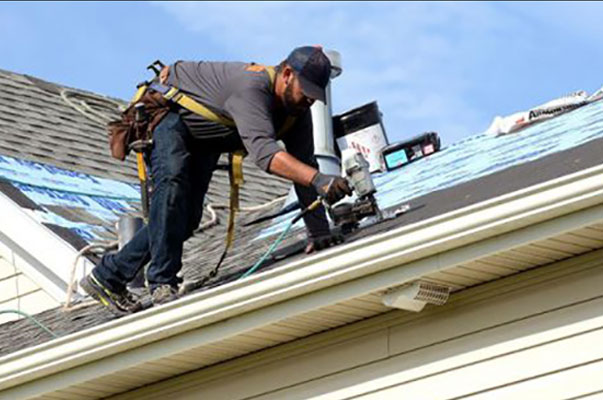
A practical guide for Treasure Valley property owners and managers
Commercial roofing isn’t just a “replace it when it leaks” decision. In Boise and across the Treasure Valley, the best outcomes come from matching the roof system to your building use, drainage layout, and exposure to wind, hail, temperature swings, and snow loading. This guide covers the most common commercial roof options, what typically causes failures, and how to build a plan that protects your property and your budget.
What makes commercial roofing different from residential?
Most commercial buildings in Boise use low-slope roofing (not perfectly “flat,” but designed for controlled drainage). That changes everything: materials, seams, penetrations, insulation strategy, and the way leaks show up. Instead of obvious shingle damage, commercial roof issues often start at transitions—HVAC curbs, skylights, parapet walls, drains/scuppers, and seam details.
A high-performing commercial roof is a system: deck + insulation + membrane + flashings + drainage + terminations. When one part is mismatched or neglected, the whole assembly is at risk.
Common commercial roof systems (and where each one fits)
Your “best” roof depends on foot traffic, rooftop equipment, expected service life, and how quickly your business needs to get back to normal during repairs. Here’s a high-level comparison you can use when talking with a contractor.
| Roof Type | Best For | Watch Outs | Maintenance Profile |
|---|---|---|---|
| Single-ply membrane (TPO/PVC/EPDM) | Most low-slope commercial buildings; energy-focused upgrades; straightforward detailing | Seams/terminations must be executed correctly; punctures from foot traffic | Semi-annual inspections; protect high-traffic areas |
| Modified bitumen | Buildings needing robust surfacing; certain retrofit scenarios | Detail quality at flashings; surface aging without proper upkeep | Regular inspections; periodic surface maintenance |
| Built-up roofing (BUR) | Some legacy commercial roofs; multi-layer redundancy | Can be heavy; repairs may be more involved depending on assembly | Monitor surface condition; keep drains clear |
| Coatings (restoration, not always a “new roof”) | Extending life of an eligible roof; improving reflectivity | Surface prep is everything; not every roof qualifies; ponding-water limitations | Recoat cycles; keep roof clean for performance |
Tip: If your building has frequent rooftop traffic (HVAC servicing, telecom, solar, grease exhaust, etc.), ask about walkway pads, sacrificial wear layers, and how the warranty treats punctures.
Boise-specific roof stressors: wind, hail, heat, and snow
Commercial roofs in Boise must handle changing seasons without losing watertight integrity. Two items that matter in planning conversations:
Snow load requirements: Boise City code amendments reference a minimum uniform roof snow load of 25 psf for design purposes, regardless of roof slope. That affects structural assumptions, retrofit decisions, and how you think about drift areas behind parapets and mechanical screens.
Heat and UV exposure: Reflective “cool roof” strategies can reduce rooftop temperatures and cooling loads in many buildings. Cool roofs work by increasing solar reflectance and often thermal emittance—lower roof surface temperatures can also slow material degradation.
Step-by-step: How to plan a commercial roof repair or replacement
1) Start with a documented inspection (not a guess)
A proper commercial inspection should identify membrane condition, seam/termination details, flashing integrity, ponding patterns, drain performance, and all penetrations. If you’re seeing interior staining, remember: leak entry points can be far from where water shows up inside.
2) Decide: targeted repair, restoration, or full replacement
Targeted repairs can be cost-effective when the roof is fundamentally sound. Restoration coatings can make sense when the existing assembly qualifies and you want to extend service life. Full replacement is usually the right call when the system is failing broadly, insulation is saturated, or details were never correct.
3) Confirm drainage and slope strategy
Many “mystery leaks” trace back to ponding and slow drains. Your plan should address scuppers/drains, internal drain strainers, overflow provisions, and any tapered insulation design needed to move water efficiently.
4) Specify protection for roof traffic and equipment zones
If technicians access HVAC units monthly, build that reality into the roof. Walk pads, designated paths, and reinforced areas are inexpensive compared to repeated puncture repairs.
5) Put maintenance on the calendar
Most commercial roofs last longer with predictable inspections (commonly spring and fall) plus post-storm checks. A maintenance plan also helps preserve warranty coverage and provides documentation if an insurance claim becomes necessary.
If you’re dealing with storm-related impacts, Team Construction can help with inspection documentation and the insurance process. Learn more about storm inspections here: wind and hail damage roof inspection and claim support here: roof insurance claims assistance.
Quick “Did you know?” facts for building owners
Cool roof surfaces can run dramatically cooler. Federal energy resources note that reflective roofs can stay 50°F+ cooler than darker roofs under the same sunny conditions, reducing heat flow into the building.
Many commercial leaks are detail-related. It’s common for the membrane field to look “fine” while failures occur at flashings, edges, or rooftop penetrations.
Documentation matters. A photo-backed inspection report after wind or hail can speed up decisions and reduce back-and-forth if an insurance claim is needed.
Local angle: Commercial roofing across Boise, Meridian, and Eagle
In the Treasure Valley, it’s common to see mixed building styles—retail strips, multi-tenant office, warehouses, churches, and multi-family—each with different rooftop conditions and access needs. The most effective roofing plans account for:
Wind corridors and edge details: Perimeter edges are a frequent weak spot. Upgraded edge metal and proper attachment patterns can dramatically reduce blow-off risk.
Hail exposure and membrane resilience: After a storm, even small punctures can turn into recurring leaks if they’re missed during a quick walk-around.
Preventable drainage issues: One clogged drain can create ponding that stresses seams and increases leak likelihood during freeze/thaw cycles.
If you manage multiple properties, consider standardizing inspections and maintenance schedules across locations. Team Construction offers commercial inspections and service across the valley—start here for more on commercial roofing in Boise and the Treasure Valley.
Need a commercial roof inspection or repair quote in Boise?
Team Construction is locally owned and operated, providing commercial and residential roofing, storm damage repair, and insurance restoration across Boise, Meridian, and Eagle. If your roof is leaking, aging, or you suspect wind or hail damage, a professional inspection is the fastest way to get clear answers.
FAQ: Commercial roofing in Boise
How do I know if I need repair or replacement?
If leaks are isolated and the membrane is otherwise stable, repairs may be enough. If you have widespread seam issues, recurring leaks in multiple zones, saturated insulation, or significant storm impact, replacement (or an eligible restoration system) often provides a better long-term cost per year of service.
What are the most common causes of commercial roof leaks?
Flashing failures at penetrations, poor edge terminations, clogged drains leading to ponding, and storm damage (wind uplift and hail punctures) are among the most common. Another frequent cause is untrained foot traffic that damages membranes around equipment.
How often should a commercial roof be inspected?
Many owners schedule inspections twice per year (spring/fall) plus after major wind or hail events. The right cadence depends on roof age, rooftop traffic, and warranty requirements.
Can a “cool roof” help in Boise’s climate?
It can, especially for buildings with significant summer cooling loads or limited roof insulation. Cool roof surfaces reflect more sunlight and can lower rooftop temperatures, which may reduce HVAC strain and help roof materials age more slowly.
Will insurance cover wind or hail damage to a commercial roof?
Coverage depends on the policy and the documented cause/extent of damage. A professional inspection with photos, measured impacts, and clear scope recommendations improves the claim process. Team Construction can assist from inspection through the insurance coordination phase.
Glossary (helpful commercial roofing terms)
Low-slope roof: A roof with minimal pitch designed to drain water via internal drains or scuppers (not “flat,” but close).
Flashing: Material used to seal transitions and penetrations (HVAC curbs, walls, skylights, pipes). Flashings are a top leak location.
Ponding water: Standing water that remains 48+ hours after rain (often indicates drainage/slope problems and increases leak risk).
Tapered insulation: Insulation shaped to create slope and move water toward drains/scuppers without changing the structural deck.