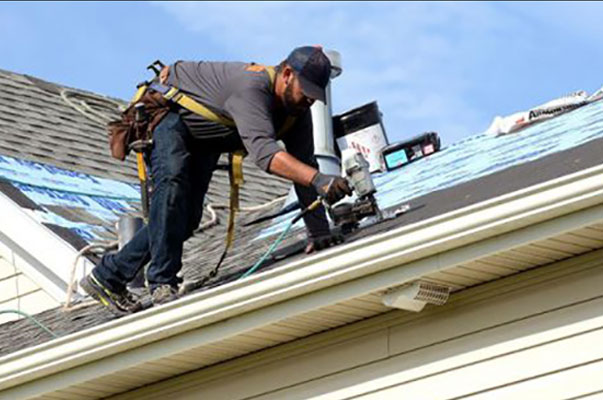
When wind or hail hits, speed and documentation matter as much as the repair.
In Eagle and across the Treasure Valley, roof damage can be sneaky: a few lifted shingles, bruised granules, bent flashing, or a small puncture can turn into a leak weeks later. If you think you may have storm damage, the strongest roof insurance claims are the ones that are handled in the right order—safely, quickly, and with clear proof. This guide breaks down what to do after a storm, what your insurer will look for, what to avoid, and how a local contractor like Team Construction can support the repair and claim process from inspection through completion.
Step 1: Make the property safe and prevent more damage (without destroying evidence)
Right after a storm, your first job is safety. Stay off the roof—wet or damaged roofing is one of the most common sources of falls. If water is actively entering the home, focus on temporary mitigation (for example: moving valuables, using containers, and arranging a professional tarp if needed).
Most homeowner policies require you to mitigate further damage after a loss, which means taking reasonable steps to keep things from getting worse. Save every receipt related to emergency actions (tarps, dehumidifiers, temporary boarding, etc.). The Idaho Department of Insurance specifically advises documenting damage, mitigating when necessary, and keeping receipts for possible reimbursement. (doi.idaho.gov)
Tip for Eagle homeowners: winter storms can create ice damming risk, and spring winds can lift shingles. Either way, a quick professional inspection helps you decide whether to pursue a claim or handle a small repair out-of-pocket.
Step 2: Document like an adjuster (photos, notes, and a simple timeline)
Great documentation isn’t fancy—it’s consistent. Create a simple timeline in your phone notes:
FEMA’s consumer guidance for post-disaster inspections also emphasizes taking photos, making a list of losses, and keeping receipts—good habits that align well with insurance claim best practices. (fema.gov)
Step 3: Get a professional roof inspection (and keep it apples-to-apples)
A reputable contractor inspection should result in clear, practical outputs: what’s damaged, what’s not, what needs immediate attention, and what can wait. For storm-related issues, your contractor may also note patterns consistent with wind or hail (for example: lifted tabs, creased shingles, hail impacts on soft metals, and compromised seals around penetrations).
If you’re in the Eagle area, Team Construction can inspect, document, and explain next steps—especially when you suspect wind or hail damage and want clarity before you file. You can also learn more about their regional service coverage and approach here: Roofing services in Eagle, ID.
A quick decision table: Claim vs. Out-of-Pocket (typical considerations)
| Situation | Often Makes Sense to File a Claim | Often Makes Sense to Pay Out-of-Pocket |
|---|---|---|
| Widespread wind or hail damage | Repair/replacement cost likely exceeds deductible by a meaningful margin | If damage is minor and cost is close to deductible |
| Active leaks or interior damage | Water damage can escalate quickly; documentation supports urgency | Small, isolated repair with no interior impact |
| Older roof near end of life | If storm created sudden damage on a previously serviceable roof | If insurer is likely to apply depreciation/limited coverage (policy-specific) |
| You’re unsure what’s covered | A contractor inspection + insurer conversation can clarify | If inspection confirms purely cosmetic or maintenance-related wear |
Step 4: File your roof insurance claim (and stay organized)
Once you decide to file, contact your carrier (or your agent) to start the claim. The Idaho Department of Insurance outlines a practical process: document damage, file the claim, mitigate, keep receipts, and communicate with your adjuster throughout. (doi.idaho.gov)
If you run into communication issues, delays, or confusion about what’s being requested, the Idaho Department of Insurance Consumer Affairs team is a neutral resource for consumer guidance and complaints. (doi.idaho.gov)
Step 5: Understand the adjuster visit (what helps, what hurts)
Your adjuster’s job is to investigate, review policy coverage, and evaluate damages. It’s normal for them to request additional documentation or bring in specialists for complex questions. (doi.idaho.gov)
What helps most is clarity: provide your photos, timeline, and receipts. If your contractor can be present (or available by phone) during the adjuster’s site visit, it can reduce miscommunication and speed up the “what exactly are we repairing?” part of the process.
One common frustration is “matching.” Many policies limit or exclude payment to match undamaged areas (like shingles or siding) even when repairs are covered. The Idaho Department of Insurance specifically notes that matching may be addressed in your policy provisions and recommends reviewing your policy or asking your adjuster to point out the language. (doi.idaho.gov)
Local angle: What Eagle, Idaho property owners should watch for
Eagle homes range from newer neighborhoods to larger custom properties with complex rooflines, valleys, dormers, and multiple penetrations. These details matter because storms often exploit “transition points”:
If you manage rentals or commercial buildings in Eagle or nearby Meridian/Boise, the same documentation principles apply—only with higher stakes for tenant safety and interior business interruption. Team Construction also supports commercial needs; explore options here: Commercial roofing in Boise & the Treasure Valley.