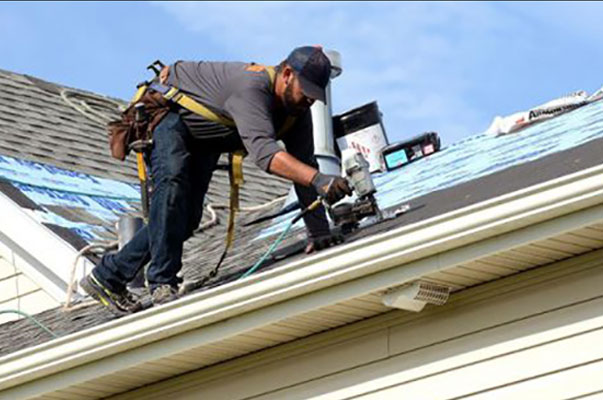
From storm damage to a repaired roof—keep the process simple, documented, and on track
When a Boise storm rolls through, roof damage isn’t always obvious from the ground. A few lifted shingles, bruised impacts from hail, or a small flashing failure can turn into leaks and interior damage quickly—especially during Idaho’s freeze/thaw cycles. If you’re considering roof insurance claims, the goal is to protect your property, document what happened, and work through the claim without missing key steps that can slow down approval or reduce your payout.
What a roof insurance claim really covers (and what it usually doesn’t)
Most roof claims are tied to a sudden, accidental event—think wind, hail, falling debris, or a tree limb impact. Coverage depends on your policy language, deductible type, and the roof’s condition before the storm. Insurance typically looks for a clear cause of loss and evidence that the damage is consistent with that event.
Often covered (policy-dependent):
- Wind damage (missing shingles, lifted tabs, ridge cap damage)
- Hail impacts (bruising, fractured mat, punctures in some materials)
- Damage that leads to a leak when the storm event created an opening
- Related items like flashing, vents, gutters, and some collateral damage (scope varies)
Common reasons claims get reduced or denied:
- Wear-and-tear or aging (not a sudden event)
- Pre-existing leaks or repeated maintenance issues
- Damage that can’t be tied to a specific storm date/time
- Late reporting without a clear reason (policies often require prompt notice)
Boise homeowner context: why timing and documentation matter here
In the Treasure Valley, storm patterns can mean a roof takes a “hit” in one event and then shows symptoms later—like a slow leak that appears after the next rain or after ice dams form. That’s why your claim file should connect the dots with photos, notes, and an inspection report as early as possible. Consumer guidance from the Idaho Department of Insurance and the NAIC emphasizes documenting damage, keeping receipts, and making reasonable temporary repairs to prevent further loss.
If you’re unsure, a professional inspection can help you decide whether it’s worth filing—because opening a claim is a real record, and it’s smart to be confident there’s storm-related damage before moving forward.
Quick “Did you know?” claim facts
- Temporary repairs are usually expected. Most policies require “mitigation” (preventing further damage). Save receipts for tarps, fasteners, and emergency materials—these costs are often reimbursable when the loss is covered.
- Photos can be as important as the estimate. Wide shots + close-ups + interior leak evidence make it easier for an adjuster to understand scope.
- Your policy may settle the roof at actual cash value (ACV) first. Many policies release additional funds later (recoverable depreciation) after work is completed—if your coverage is replacement cost value (RCV).
A simple table: claim stages and what homeowners should gather
| Claim Stage | What to Do | What to Save |
|---|---|---|
| 1) Right after the storm | Check for active leaks, missing shingles, gutter dents, fallen branches; keep things safe | Photos/videos, storm date/time notes, any weather alerts/screenshots |
| 2) Temporary protection | Tarp or seal openings to prevent more damage (don’t do unsafe roof access) | Receipts, contractor invoice for emergency work, “before/after” photos |
| 3) File the claim | Call insurer/agent, start claim, get claim # and adjuster contact | Claim number, call log, emails, policy info, deductible type |
| 4) Adjuster inspection | Be present; walk damage areas; compare scope to contractor findings | Inspection notes, photos, contractor report/estimate |
| 5) Settlement + repairs | Review estimate line-by-line; complete work; submit final docs if needed | Final invoice, certificate of completion, supplements, depreciation docs |
Step-by-step: how to file a roof insurance claim without creating avoidable problems
1) Prioritize safety and stop the “next” damage
If you see a leak, don’t wait for it to “dry out.” Place buckets, move valuables, and protect flooring. If water is near electrical fixtures, keep the area off-limits and consider calling a professional. Insurance typically expects reasonable steps to prevent further loss—this is called mitigation.
2) Document first, then do temporary repairs
Take wide photos from each side of the property, then closer photos of problem areas (missing shingles, exposed underlayment, dented vents, torn flashing). Inside, photograph water staining and any active dripping. After documentation, use tarps or temporary sealing where needed—then keep every receipt.
3) Get a professional roof inspection (especially if hail is suspected)
Hail damage isn’t always visible from the ground. A qualified inspection can identify bruising, granule loss patterns, ridge/hip vulnerability, and accessory damage (vents, caps, soft metals) that often supports the claim. It also helps confirm whether the damage is storm-related versus aging.
If you’re in Boise and want a clear plan, Team Construction offers complimentary inspections and can explain findings in plain language.
4) File the claim promptly and keep a simple claim log
When you contact your insurer, ask for the claim number and write down the adjuster’s name, phone number, and email. Keep a running log of every call, voicemail, and document sent. This alone prevents a lot of “lost in the shuffle” delays.
5) Be present for the adjuster visit (and bring your contractor if possible)
Claims go smoother when the adjuster sees the same evidence your contractor sees. If items are missed (flashing, vents, drip edge, gutters, code-related components where applicable), it can reduce scope and create back-and-forth later.
6) Review the estimate like a checklist, not a mystery document
Compare the insurer’s scope to what’s actually required to restore the roof system (not just the shingles). Look for missing line items such as underlayment replacement, flashing, pipe boots, vents, ridge components, starter strips, and proper disposal. If there’s a gap, your contractor can submit a supplement with photos and documentation.
7) Understand ACV vs. RCV so you’re not surprised by the first check
Many policies pay Actual Cash Value (ACV) up front, then release additional funds after completion (often called recoverable depreciation) if you have Replacement Cost Value (RCV) coverage. Your contractor can help you organize final invoices so depreciation release doesn’t stall at the finish line.
Local angle: Boise, Meridian, and Eagle claim mistakes we see most
- Waiting until the next storm to report damage: the longer the gap, the harder it can be to tie damage to a specific event.
- Skipping attic and interior documentation: a few photos of staining, damp insulation, or active leaking can be important context.
- Not keeping receipts for temporary repairs: even small purchases can add up, and they’re easier to reimburse when documented.
- Assuming “one missing shingle” is minor: wind-driven rain can travel, and small openings can become bigger problems quickly.
If you’re in the Treasure Valley and want a single team that can inspect, repair, and assist with the insurance process, Team Construction is built for that exact scenario—residential and commercial.
Need help with a roof insurance claim in Boise?
If you suspect wind or hail damage, start with a professional inspection and a clear documentation plan. Team Construction provides complimentary inspections, detailed repair recommendations, and direct claim assistance so you’re not managing the process alone.
FAQ: Roof insurance claims in Boise
Should I call a roofer before I file a claim?
If you’re not sure the damage is storm-related, a roof inspection first is often the smartest move. It helps you avoid opening a claim that doesn’t have enough supporting evidence, and it gives you documentation to bring to the insurer.
What if my roof is leaking right now?
Protect the interior immediately and arrange a safe temporary repair (like tarping). Take photos before and after. Keep receipts for materials or emergency service—mitigation is a normal part of the claim process.
Why is the insurance check lower than the estimate?
Two common reasons: your deductible is withheld, and/or the claim is paid at ACV first with depreciation held back. If your policy is RCV, that depreciation may be released after you complete repairs and submit final documentation.
Can I choose my own roofing contractor in Boise?
In most situations, yes—you can choose a qualified local contractor. Make sure they provide an itemized scope, clear photos, and a plan that matches what the roof system actually needs, not just a quick patch.
What if the adjuster’s scope seems incomplete?
Ask your contractor to compare the adjuster’s estimate to the observed damage and required components. If important items are missing, they can submit a supplement with photos and line-item justification so the claim reflects the real scope of repair.
Glossary (helpful claim and roofing terms)
Mitigation: Reasonable steps taken to prevent additional damage after a loss (like tarping a roof leak). Save receipts.
ACV (Actual Cash Value): Payment based on the item’s value after depreciation (age/wear). Often the first settlement method.
RCV (Replacement Cost Value): Coverage intended to pay the cost to replace with like kind and quality (often after depreciation is recovered through proof of completion).
Recoverable depreciation: The portion withheld until repairs are completed (when your policy allows it).
Scope of loss (scope): The detailed list of repairs/materials needed to restore the property after a covered event.
Supplement: Additional documentation and line items submitted when the original estimate is missing necessary repairs.
Related services in the Treasure Valley: Boise roofing, Meridian roofing, and Eagle roofing.