A Homeowner’s Guide to Navigating Roof Insurance Claims in Nampa

Don’t Let Storm Damage Overwhelm You.

When a severe storm rolls through Nampa, the last thing you want to worry about is a damaged roof and a complicated insurance process. High winds and hail can cause significant problems that aren’t always visible from the ground. Understanding how to properly handle a roof insurance claim is the key to a swift, successful restoration. This guide will walk you through the process, ensuring you have the knowledge to protect your property and get the compensation you deserve.

Your Step-by-Step Plan for a Stress-Free Claim

Step 1: Prioritize Safety & Document Everything

Your first priority after a storm is safety. Check for downed power lines, broken glass, and unstable structures before proceeding. Once the area is safe, document the damage thoroughly. Use your smartphone to take clear photos and videos of your roof from different angles, as well as any interior leaks, damaged shingles on the ground, or dented gutters and siding. This initial evidence is invaluable when you file your claim.

Step 2: Get a Professional Roof Inspection

Before you even contact your insurance provider, call a trusted local roofing contractor for a professional roof inspection. An experienced expert can identify all forms of damage, including subtle issues like granule loss, cracked shingles, and compromised flashing that an untrained eye might miss. This professional assessment provides you with a detailed report and an accurate repair estimate, giving you leverage and clarity when you speak with your insurer.

Step 3: Review Your Policy and File the Claim

Locate your homeowner’s insurance policy and review your coverage for storm, wind, and hail damage. Pay close attention to your deductible amount—this is the portion you’ll pay out-of-pocket. With your policy information and your contractor’s damage report in hand, contact your insurance company to officially file the claim. Provide them with the date of the storm and a clear description of the damages you’ve documented.

Step 4: Schedule the Adjuster’s Visit

Your insurance company will assign an adjuster to inspect your property and verify the damage. It is highly recommended to have your roofing contractor present during this visit. Your contractor can act as your advocate, pointing out all identified damage to ensure the adjuster’s assessment is comprehensive and fair. This collaborative approach helps prevent items from being overlooked and leads to a more accurate settlement.

Step 5: Understand the Settlement and Begin Repairs

Once your claim is approved, you will receive a settlement summary from your insurance company. This document will detail the scope of work and the funds being provided. Most policies provide Replacement Cost Value (RCV), but the initial check is often for the Actual Cash Value (ACV), with the remaining amount (depreciation) released after the work is completed. A reliable contractor like Team Construction can help you interpret this paperwork and schedule your roof repair or replacement promptly.

Did You Know?

  • Idaho is among the top states for hail damage claims, with hailstones often causing significant damage to roofs, siding, and windows in the Treasure Valley.

  • Most insurance policies have a time limit for filing a claim after a storm, often within one year. Waiting too long can jeopardize your ability to get coverage.

  • A professional roofer can often spot wind and hail damage that isn’t immediately obvious, such as weakened shingle seals or micro-fractures that can lead to major leaks later on.

Professional Inspection vs. DIY Assessment

Climbing on your roof after a storm can be dangerous and inefficient. Here’s why a professional assessment is always the better choice for your Nampa home.

Feature DIY Assessment Professional Inspection
Safety High risk of falls and injury, especially on a wet or damaged roof. Trained experts use proper safety equipment and protocols.
Accuracy Hidden damage like micro-fractures, granule loss, and lifted seals are easily missed. Comprehensive identification of all storm-related issues for a complete claim.
Documentation Basic photos may lack detail and context for an adjuster. Professional report with detailed photos, measurements, and repair scope.
Insurance Liaison You are on your own when negotiating with the insurance adjuster. Contractor can meet with the adjuster to ensure a fair and accurate assessment.

The Treasure Valley Advantage: Why Local Matters

After a major storm, out-of-state “storm chasers” often flood neighborhoods like Nampa, Meridian, and Eagle. While they promise quick fixes, they often deliver subpar work and disappear once they’re paid, leaving you with no warranty or recourse. Choosing a locally owned and operated contractor like Team Construction means you’re hiring a team that understands Nampa’s specific weather challenges and local building codes. We are your neighbors, committed to protecting our community’s properties with quality materials and expert workmanship. Whether you need a residential roof repair in Nampa or commercial services in a nearby city like Meridian, we’re here for the long haul.

Get Expert Help with Your Roof Insurance Claim

Don’t navigate the complex insurance process alone. The Team Construction experts are here to provide a FREE, no-obligation inspection and guide you from start to finish.

Schedule Your Free Inspection Today

Frequently Asked Questions

Will filing a claim increase my insurance premiums?

Typically, claims filed due to natural disasters or “Acts of God” like hailstorms do not result in a premium increase for an individual homeowner. However, rates may rise for an entire region that has experienced widespread storm damage.

What if my insurance claim is denied?

If your claim is denied, you have the right to appeal the decision. A reputable contractor can help by providing additional documentation, a second opinion on the damages, and evidence to support your case during the appeals process.

Can I choose my own roofing contractor?

Yes. You are never obligated to use a contractor recommended by your insurance company. You have the right to choose a licensed and insured contractor that you trust to perform the repairs on your property.

How long will the roof repair or replacement take?

The timeline depends on the extent of the damage, the size of your roof, and material availability. A typical residential roof replacement can often be completed in 1-3 days. Your contractor will provide a clear timeline before work begins.

Glossary of Insurance Terms

Deductible: The fixed amount you must pay out-of-pocket for a covered loss before your insurance benefits kick in.

Adjuster: An individual employed by an insurance company to investigate a claim and determine the extent of the company’s liability.

Actual Cash Value (ACV): The value of your damaged property minus depreciation due to age and wear. This is often the amount of the first insurance check.

Replacement Cost Value (RCV): The total cost to repair or replace your damaged property with new, similar materials, without deducting for depreciation.

Depreciation: The decrease in an asset’s value over time. In roofing claims, this is the amount held back by the insurer an paid out once repairs are complete and invoiced.
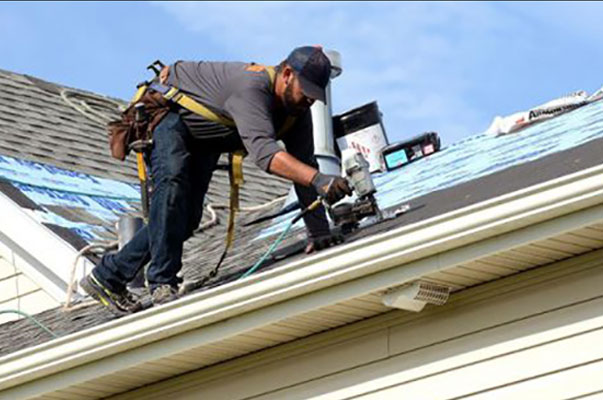
Navigating Roof Insurance Claims in Meridian, ID: A Homeowner’s Guide

Your Expert Partner for Storm Damage Restoration

A powerful storm rolling through Meridian can leave a path of destruction, and your roof often bears the brunt of it. Discovering damage to your property is stressful enough without the added complexity of filing an insurance claim. The process can feel overwhelming, filled with unfamiliar terms, tight deadlines, and endless paperwork. But you don’t have to navigate it alone. Understanding the steps involved and working with a trusted local contractor can transform a complicated situation into a smooth, successful restoration of your home.

This guide breaks down the roof insurance claims process for Meridian homeowners, empowering you with the knowledge to protect your investment and restore your peace of mind. From the initial inspection to the final repair, we’ll walk you through what to expect every step of the way.

The Step-by-Step Guide to a Successful Roof Claim

Following a structured approach is the key to a stress-free claim. Here’s a breakdown of the critical steps to take after you suspect your roof has sustained damage.

Step 1: Schedule a Professional Roof Inspection

Your safety is paramount. Before you do anything else, contact a reputable local roofing contractor for a thorough and safe roof inspection. Professionals are trained to identify all forms of damage—from obvious punctures to subtle bruising caused by hail—that an untrained eye might miss. This initial assessment provides the crucial evidence needed to determine if filing a claim is necessary.

Step 2: Document Everything

Comprehensive documentation is your most powerful tool. Take clear photos and videos of the damage to your roof, siding, windows, and any affected interior areas (like water stains on the ceiling). Note the date and time of the storm. Keep a detailed log of all communication with your insurance company, including dates, times, and the names of representatives you speak with.

Step 3: Review Your Homeowner’s Insurance Policy

Familiarize yourself with your policy. Pay close attention to your deductible (the amount you pay out-of-pocket) and what types of damage are covered. Most policies cover damage from “acts of God,” like wind and hail, but understanding the specifics, such as whether you have Replacement Cost Value (RCV) or Actual Cash Value (ACV) coverage, is vital.

Step 4: File Your Claim Promptly

Most insurance companies have a time limit for filing a claim after a storm, so don’t wait. Contact your insurance agent to initiate the process. Provide them with the date of the storm and a general description of the damage. They will assign you a claim number—keep this handy for all future correspondence.

Step 5: Meet with the Insurance Adjuster

Your insurance company will send an adjuster to assess the damage. It is highly recommended to have your chosen roofing contractor present during this inspection. Your contractor can point out damage the adjuster might overlook and ensure the scope of work accurately reflects what is needed for a proper roof repair or replacement, advocating on your behalf.

Step 6: Receive and Understand the Settlement

After the inspection, you’ll receive a settlement report detailing the approved repairs and the associated costs. If you have RCV coverage, you will likely receive an initial check for the Actual Cash Value, with the remaining amount (depreciation) paid once the work is completed and proof of payment is submitted.

Did You Know?

Filing a claim for storm damage is considered a “no-fault” claim. This means that your provider cannot single you out for a rate increase simply because you filed a claim due to weather. However, rates may rise for an entire region that has been heavily affected by storms.

The Local Advantage: Why Your Meridian Roofer Matters

In the Treasure Valley, we experience a unique climate that includes intense summer sun, freezing winters, and severe thunderstorms with high winds and hail. Choosing a local Meridian roofing contractor like Team Construction means you’re partnering with experts who understand these specific challenges. We know what materials stand up to Idaho weather and what local building codes require.

Furthermore, an experienced local contractor has established relationships with insurance adjusters in the area. This professional rapport helps facilitate a smoother, more efficient claims process. We speak their language and can provide the precise documentation they need to approve your claim fairly and quickly, minimizing delays and ensuring your residential roofing project gets done right.

Don’t Face Storm Damage Alone

If you suspect storm damage, let the experts at Team Construction help. We offer complimentary, no-obligation roof inspections and will guide you through every step of the insurance claim process.

Get Your Free Inspection Today

Frequently Asked Questions

What if my insurance claim is denied?

A denied claim isn’t the end of the road. You can appeal the decision. Often, a denial is due to insufficient documentation. A qualified roofing contractor can help you gather additional evidence and request a second inspection with a different adjuster to reassess the damage.

How long does the roof insurance claim process typically take?

The timeline can vary widely depending on the severity of the storm, the number of affected homeowners in your area, and your specific insurance company. It can range from a few weeks to several months. Partnering with an experienced contractor can help expedite the process.

Should I get multiple estimates for my roof repair?

While getting multiple estimates is wise for many home projects, it can be different with insurance claims. The insurance company determines the cost of the repair. Your focus should be on finding a highly-rated, trustworthy contractor who will perform the work for the amount approved by your insurer and ensure all damage is included in the scope.

Can a contractor cover my deductible?

No. It is illegal for a contractor to pay, waive, or otherwise cover a homeowner’s insurance deductible. This is considered insurance fraud. Your deductible is your contribution to the repair, as stipulated in your policy.

Glossary of Common Insurance Terms

Adjuster: A professional hired by the insurance company to assess the extent of damage and determine the value of the loss.

Deductible: The fixed amount you are responsible for paying out-of-pocket on a claim before your insurance coverage begins to pay.

Actual Cash Value (ACV): The value of your roof at the time of the loss. This is calculated by taking the replacement cost and subtracting depreciation due to age and wear.

Replacement Cost Value (RCV): The total cost to repair or replace your damaged roof with new materials of similar kind and quality, without deducting for depreciation.

Depreciation: The decrease in the value of your roof over time due to age, wear, and tear. An insurer may withhold this amount until repairs are complete.

Navigating Roof Insurance Claims in Boise: A Homeowner’s Guide

Don’t Face Storm Damage Alone

After a severe storm rolls through Boise, the last thing you want to worry about is a complex and stressful insurance claim process. High winds and hail can leave behind significant roof damage, often hidden to the untrained eye. Filing a roof insurance claim is the first step toward restoration, but it can feel overwhelming. This guide simplifies the process, empowering you to navigate your claim with confidence and ensure you get the fair coverage you deserve for your property.

Understanding the steps involved, from initial inspection to final repair, is crucial. Partnering with an experienced local contractor who specializes in insurance restoration can make all the difference, transforming a complicated ordeal into a streamlined, manageable project.

The Roof Insurance Claim Process: A Step-by-Step Breakdown

Step 1: Emergency Mitigation and Professional Inspection

Your immediate priority after a storm is safety. If you see active leaking or significant structural damage, take steps to prevent further harm to your home’s interior, such as placing buckets to catch water. However, do not attempt to climb on the roof yourself. It can be extremely dangerous. Instead, your first call should be to a trusted local roofing contractor. A professional roof inspection is critical. Experts can identify subtle signs of wind and hail damage that an insurance adjuster might miss, providing a comprehensive assessment of the situation.

Step 2: Review Your Insurance Policy

Before filing, take a moment to understand your homeowner’s insurance policy. Look for details about your deductible, what types of damage are covered (e.g., wind, hail), and any specific requirements for filing a claim. Knowing your coverage helps you set realistic expectations and communicate more effectively with your insurance provider. If the language is confusing, your contractor can often help interpret the sections related to roofing and exteriors.

Step 3: Filing the Claim and Documenting Everything

Contact your insurance company promptly to initiate the claim. They will assign you a claim number and an adjuster. From this point forward, documentation is key. Keep a detailed record of every conversation, including the date, time, and the name of the person you spoke with. Take clear, well-lit photos of all damaged areas, both close-up and from a distance, to create a thorough visual record. Your contractor’s initial damage report will also be a vital piece of evidence.

Step 4: The Adjuster’s Visit

The insurance adjuster will schedule a visit to assess the damage. It is highly recommended to have your chosen roofing contractor present during this inspection. Your contractor can point out specific damages, discuss local building codes, and ensure the adjuster’s assessment is comprehensive and accurate. They act as your advocate, speaking the same technical language as the adjuster to ensure nothing is overlooked. This collaborative approach often leads to a more accurate and fair insurance restoration scope.

Step 5: Understanding Your Claim Settlement

After the assessment, you’ll receive a settlement offer from your insurance company. This document will detail the scope of work they have approved and the funds they are providing. It often includes terms like RCV (Replacement Cost Value) and ACV (Actual Cash Value). Your contractor can help you review this paperwork to ensure the scope is complete and the estimate aligns with the real-world cost of materials and labor for a quality roof repair or replacement.

Step 6: Completing the Repairs

Once you and your contractor have an agreed-upon scope of work with the insurance company, the restoration can begin. A professional team will handle all aspects of the project, from acquiring permits to the final cleanup, ensuring your residential roofing or commercial property is restored to its pre-storm condition, or even better.

Did You Know?

Insurance policies often have a time limit for filing a claim after a storm event. This “statute of limitations” can be as short as one year. That’s why it’s critical to have your roof inspected for potential wind or hail damage as soon as possible, even if the damage isn’t obvious from the ground.

Weathering the Storm in Boise and the Treasure Valley

Boise, Meridian, and Eagle are no strangers to unpredictable weather. Summer thunderstorms can bring high winds and hail, posing a significant threat to roofing systems. Hailstones, even small ones, can bruise and crack asphalt shingles, compromising their ability to shed water. High winds can lift and tear shingles off, leaving your roof’s underlayment exposed to the elements. These scenarios are precisely what homeowner’s insurance is designed for. Having a local Idaho roofing contractor who understands these specific regional challenges is a major advantage when dealing with insurance claims. They know what to look for and can provide credible, location-specific insights to your insurance company.

Common Pitfalls to Avoid in Your Roof Claim

  • Waiting Too Long: Delaying an inspection or claim can lead to further damage, like leaks and mold, which may not be covered. Act quickly after a storm.

  • Accepting the First Offer Blindly: The initial settlement may not cover everything. Always have your contractor review the insurance adjuster’s report to check for discrepancies or omissions.

  • Not Using a Reputable Contractor: Choosing an inexperienced or out-of-town “storm chaser” can lead to poor workmanship and issues with your claim. Work with a licensed, insured, and locally-owned company like Team Construction. Whether for commercial roofing or a residential project, local expertise matters.

Simplify Your Roof Insurance Claim with Expert Help

You don’t have to navigate the complexities of a roof damage claim by yourself. Team Construction is here to help homeowners and property managers throughout Boise and the Treasure Valley. We offer complimentary roof inspections and expert guidance through the entire insurance process, from start to finish.

Get Your Free Inspection Today

Frequently Asked Questions

How do I know if I have enough damage to file a claim?

You don’t need to make that determination yourself. The best course of action is to schedule a free, no-obligation roof inspection with a qualified professional. They can accurately assess the extent of the damage from wind or hail and advise you on whether filing a claim is justified.

Will filing a claim make my insurance premium go up?

Generally, claims filed due to natural disasters or “Acts of God,” such as hail or windstorms, do not result in a premium increase for an individual homeowner. Insurance companies typically raise rates for an entire geographic area that has experienced widespread storm damage, regardless of whether you personally filed a claim.

What is the difference between Replacement Cost Value (RCV) and Actual Cash Value (ACV)?

Replacement Cost Value (RCV) is the cost to replace your damaged roof with a new one of similar quality at current prices. Actual Cash Value (ACV) is the RCV minus depreciation for the age and condition of your old roof. Most policies are RCV, meaning you’ll typically get an initial check for the ACV, and a second check for the depreciation amount after the work is complete and you’ve submitted the final invoice.

Can a contractor cover my deductible?

No. It is illegal for a contractor to waive or cover your insurance deductible, as it is considered insurance fraud. Your deductible is the portion of the repair cost that you are responsible for paying. Be cautious of any contractor who offers to do this.

Glossary of Terms

Adjuster: An individual employed by an insurance company to evaluate a loss and determine the extent of the company’s liability.

Deductible: The amount of money you are required to pay out-of-pocket for a covered loss before your insurance policy begins to pay.

Depreciation: The decrease in the value of your property over time due to age, wear and tear, and other factors.

Endorsement: An amendment or addition to an insurance policy that changes its terms or scope of coverage.

Scope of Loss: A detailed description prepared by an insurance adjuster or contractor that lists the necessary repairs and their associated costs.