Navigating Roof Insurance Claims in Eagle, ID: A Homeowner’s Guide

Protecting Your Property After a Treasure Valley Storm

The aftermath of a severe storm in Eagle, Idaho can be overwhelming. High winds, hail, and heavy rain can inflict significant damage on your home’s most critical defense: the roof. While your immediate concern is safety, the next step—dealing with your insurance company—can feel just as daunting. Filing a roof insurance claim is a detailed process that, if not handled correctly, can lead to delays, denials, or insufficient funds for proper repairs. This guide provides a clear roadmap for Eagle homeowners to successfully manage their claims and restore their peace of mind.

Understanding the steps involved, knowing what to document, and partnering with the right local contractor are key to ensuring you get the full compensation you are entitled to. A well-managed claim protects your property’s value and ensures your home remains safe for years to come.

The Step-by-Step Roof Insurance Claim Process

Following a structured approach is the best way to ensure your claim process goes smoothly. Here’s a breakdown of the essential steps every Eagle homeowner should take after discovering potential storm damage.

Step 1: Prioritize Safety & Document Everything

Your first priority is safety. If you see major damage, like fallen trees or sagging, avoid the area. Once it’s safe, thoroughly document the damage before making any temporary repairs. Use your smartphone to take dozens of photos and videos from different angles, both close-up and from a distance. Capture images of fallen branches, hail dents on gutters or siding, and any visible roof damage. This evidence is invaluable for your claim.

Step 2: Get a Professional Roof Inspection

Before you even call your insurance agent, contact a trusted, local roofing contractor for a comprehensive roof inspection. A professional can identify damage that isn’t visible from the ground, such as creased shingles, granule loss, or compromised seals. This expert assessment gives you a clear understanding of the repair scope and provides a benchmark to compare against the insurance adjuster’s findings. Team Construction offers complimentary inspections to help you start the process with confidence.

Step 3: Review Your Policy & File the Claim

Locate your homeowner’s insurance policy and review your coverage for wind and hail damage. Take note of your deductible amount and any specific filing deadlines. With your documentation and professional inspection report in hand, contact your insurance company’s claims department to formally initiate the claim. Be prepared to provide your policy number, the date of the storm, and a general description of the damage.

Step 4: Meet with the Insurance Adjuster

Your insurance company will assign an adjuster to inspect the damage. It is highly recommended to have your chosen roofing contractor present during this visit. Your contractor can act as your advocate, pointing out specific damages the adjuster might overlook and ensuring the assessment is thorough and fair. This collaboration can significantly impact the outcome of your claim.

Step 5: Understand the Settlement and Begin Repairs

After the adjuster’s visit, you will receive a settlement summary. This document will detail the approved repairs and the funds allocated. Most policies for residential roofing pay in two installments: the first is the Actual Cash Value (ACV), and the second (Recoverable Depreciation) is paid after the work is completed. Once you approve the scope of work, a reputable contractor like Team Construction can begin the roof restoration, restoring your home and providing all necessary documentation for your insurer.

Did You Know?

  • Idaho is ranked in the top 10 states for hail damage claims, with storms in the Treasure Valley being particularly frequent.
  • Most insurance policies have a time limit for filing a storm damage claim, often within one year of the incident.
  • Filing a weather-related “Act of God” claim on your homeowner’s policy typically does not cause your individual premium rates to increase.

Common Pitfalls to Avoid During Your Claim

Navigating an insurance claim can be tricky. Homeowners often make simple mistakes that can jeopardize their settlement. Being aware of these common errors can save you time, money, and stress.

  • Delaying the Inspection: Waiting weeks or months allows damage to worsen, potentially leading to leaks or structural issues that might not be covered.
  • Accepting the First Offer Blindly: The initial settlement offer from an insurer is just that—an offer. If it seems too low, you have the right to question it and provide your contractor’s estimate as a counterpoint.
  • Hiring “Storm Chasers”: After a major storm, out-of-state companies often flood the area. They may offer low prices but often use substandard materials and are gone once the job is done, leaving you with no warranty or recourse. Always choose a licensed, insured, local contractor.

The Importance of a Local Eagle, ID Roofing Expert

Choosing a contractor with deep roots in the Treasure Valley is a significant advantage. A local company like Team Construction understands the specific weather challenges we face in Eagle, Boise, and Meridian. We have established relationships with local suppliers and are familiar with regional building codes and insurance practices.

More importantly, a local roofer is accountable. Our reputation is built on serving our neighbors with integrity. We’re here for the long haul, ready to stand by our work and honor our lifetime warranties. When you need a new roof or roof repair in Eagle, choosing a local expert ensures you get quality craftsmanship and a partner you can trust for years to come.

Need Help with Your Roof Damage Claim?

Don’t navigate the complex insurance process alone. The experts at Team Construction are here to help, from initial inspection to final repair.

Get a Free Inspection

Frequently Asked Questions (FAQ)

How long do I have to file a roof damage claim in Idaho?

Most insurance policies require you to file a claim within one year of the date of the storm. However, it’s always best to act immediately to prevent further damage and to ensure you don’t miss any deadlines stipulated in your specific policy.

Will my insurance premiums go up if I file a claim for storm damage?

Generally, claims resulting from weather (often called “Acts of God”) do not cause an individual policyholder’s rates to increase. However, if an area experiences a high volume of claims, the insurer may raise rates for the entire region.

What if my insurance claim is denied?

If your claim is denied, you have the right to appeal the decision. The first step is to ask for a written explanation for the denial. Then, with the help of your trusted roofing contractor, you can provide additional evidence, such as a more detailed damage report or a second opinion, to support your appeal.

Can I choose my own roofing contractor?

Yes. You are never obligated to use a contractor recommended by your insurance company. You have the right to choose any licensed and insured contractor you trust. It’s wise to select a reputable local company with experience in insurance restoration.

Glossary of Insurance Terms

Deductible

The fixed amount you must pay out of pocket for a claim before your insurance coverage begins to pay. This amount is chosen when you purchase your policy.

Actual Cash Value (ACV)

The value of your damaged roof at the time of the loss. It is calculated by taking the replacement cost and subtracting depreciation due to age, wear, and tear.

Replacement Cost Value (RCV)

The total cost to repair or replace your damaged roof with new materials of similar kind and quality, without any deduction for depreciation. Most modern policies are RCV policies.

Depreciation

The decrease in an asset’s value over time due to age and use. In an RCV policy, the insurer typically pays the ACV first, then pays the recoverable depreciation once repairs are completed and invoices are submitted.
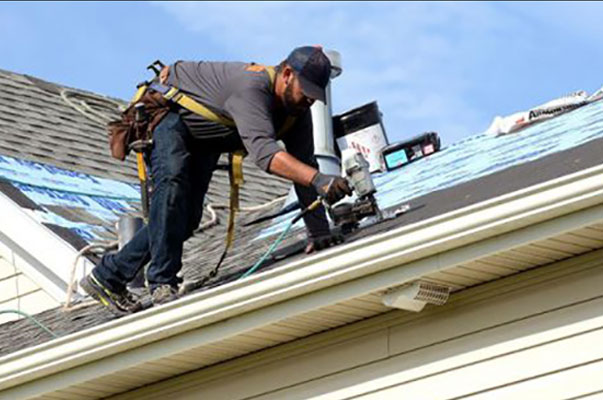
How to Choose the Best Roofing Contractor in Meridian, ID

Protecting Your Treasure Valley Home Starts at the Top

Your roof is your home’s first line of defense against Meridian’s dynamic weather, from hot summer sun to winter snow and unexpected hail storms. Choosing a roofing contractor is a major decision that impacts your property’s safety, value, and curb appeal for years to come. With numerous options available, finding a truly reliable and skilled professional can feel overwhelming. This guide provides Meridian homeowners with the essential criteria for selecting a roofing partner who will deliver quality workmanship and peace of mind.

Key Qualities of a Top-Tier Meridian Roofing Contractor

Proper Licensing and Full Insurance Coverage

This is the absolute baseline for any contractor you consider. A reputable roofer must be registered with the Idaho Contractors Board. This ensures they meet state standards for competency and professionalism. Equally important is proof of both general liability insurance and worker’s compensation. Liability insurance protects your property from accidental damage during the project, while worker’s compensation covers their crew in case of injury, preventing you from being held liable.

Established Local Presence

A contractor with a physical office and a long history in the Treasure Valley is invested in the community. They have a reputation to uphold and are accountable for their work long after the job is done. This is especially crucial after a major storm when out-of-state “storm chasers” may appear, perform subpar work, and be gone before any issues arise. Look for a team that understands local building codes and the specific environmental demands on roofing in our area. At Team Construction, we are a locally owned and operated company proud to serve our neighbors in Meridian, Boise, and beyond.

Expertise in Storm Damage and Insurance Claims

Idaho weather can be harsh, and wind and hail damage are common concerns for local property owners. A proficient contractor does more than just repairs; they understand the entire insurance restoration process. An experienced team can identify all storm-related damage (not just the obvious spots), document it correctly, and communicate effectively with your insurance adjuster. This specialized assistance can make an enormous difference in getting your roof insurance claims approved and processed smoothly.

Quality Materials and Strong Warranties

The best installation can’t make up for poor-quality materials. Ask potential contractors about the brands they use and why. A confident roofer partners with trusted manufacturers and will be transparent about your options. Furthermore, inquire about warranties. There are typically two types: the manufacturer’s warranty on the materials and the contractor’s warranty on their workmanship. A lifetime warranty on workmanship demonstrates a company’s deep confidence in their installation quality and provides you with long-term protection.

Questions to Ask Before You Hire

Arm yourself with the right questions to properly vet any potential contractor. A professional will welcome your diligence and provide clear, direct answers.

  • Can you provide your Idaho contractor registration number and proof of insurance?
  • How long have you been in business in the Treasure Valley?
  • Can you provide a list of recent local references I can contact?
  • Will you provide a detailed, itemized estimate in writing?
  • Who will be supervising my project on-site?
  • What steps do you take to protect my property (landscaping, siding, etc.) during construction?

Did You Know?

Even minor hail, with stones as small as a quarter, can compromise the integrity of asphalt shingles by dislodging the protective granules. This exposes the underlying material to UV rays, accelerating the aging of your roof and leading to premature failure. A professional inspection after a hail storm is critical to catch this type of hidden damage.

Your Local Meridian Roofing Experts

As a dedicated Idaho roofing contractor, Team Construction understands the unique challenges that properties in Meridian face. From ensuring proper ventilation to combat attic heat buildup in July to installing robust underlayment to prevent ice dams in January, our approach is tailored to our local climate. We’ve completed hundreds of projects in the area, covering everything from minor roof repairs to full replacements for both residential and commercial properties. Our experience means we know what works best for homes in your neighborhood, ensuring a durable, long-lasting result.

Trust Your Meridian Home to Team Construction

Don’t leave the most important part of your home to chance. Get the quality workmanship, fair pricing, and dedicated local service you deserve. Contact us for a free, no-obligation roof inspection and estimate.

GET YOUR FREE ESTIMATE

Frequently Asked Questions

How often should I have my roof inspected in Meridian?

We recommend a professional roof inspection at least once every two years. However, you should always schedule an immediate inspection after any major weather event, such as a hail storm or high winds, to check for potential damage.

What are common signs that I need a roof repair or replacement?

Common warning signs include missing, cracked, or curling shingles; significant granule loss in your gutters; water stains on your interior ceilings; sagging roof decking; or visible light coming through the attic. If you notice any of these, it’s time to call for a professional assessment.

How long does a typical roof replacement take?

The timeline for a full roof replacement depends on the size and complexity of your roof. However, an average-sized residential roof in Meridian can often be replaced in just 1-3 days, weather permitting. We always provide a clear timeline before work begins.

Can you really help with my insurance claim?

Absolutely. We are experts in insurance restoration and will assist you every step of the way. We can meet with your adjuster on-site, provide all necessary documentation of the damage, and ensure the scope of work covers all necessary repairs to bring your property back to pre-storm condition.

Navigating Roof Insurance Claims in Boise: A Homeowner’s Guide to Storm Damage Repair

Don’t Let Storm Damage Overwhelm You

Boise and the Treasure Valley are no strangers to severe weather. Sudden hailstorms and high winds can pass through quickly, leaving significant roof damage in their wake. For homeowners and property managers, discovering this damage is stressful enough without the added complexity of navigating a roof insurance claim. The process can feel confusing and overwhelming, filled with unfamiliar terms and crucial deadlines.

Understanding the steps involved is the best way to ensure you get the fair compensation you deserve to protect your property. This guide breaks down the roof insurance claim process, empowering you to handle storm damage with confidence and get the expert repairs you need.

First Steps: What to Do Immediately After a Storm

Your actions right after a storm are critical for both your safety and the success of your insurance claim. Before you do anything else, follow these essential steps.

1. Prioritize Safety

Never climb onto a roof yourself, especially when it might be wet, slippery, or structurally compromised. Look for downed power lines, fallen branches, and other immediate hazards around your property. If you suspect severe structural damage, it may be best to stay elsewhere until a professional can assess the situation.

2. Document Everything

Once it’s safe, thoroughly document any damage. Take high-quality photos and videos of your roof, gutters, siding, and windows. Capture close-ups of hail impacts on shingles or dents in flashing, as well as wider shots that show the overall scope. Note the date and time of the storm for your records.

3. Look for Signs of Damage

Visible signs of wind and hail damage include missing or cracked shingles, dents on vents or gutters, and an accumulation of shingle granules in your downspouts. Inside your home, check for new water stains on ceilings or walls, which could indicate a leak.

The Roof Insurance Claim Process: A Step-by-Step Breakdown

Filing an insurance claim involves several key stages. Partnering with an experienced local contractor can make this process significantly smoother.

  1. Step 1: Get a Professional Roof Inspection

    Before contacting your insurance company, call a trusted local roofing contractor like Team Construction for a comprehensive inspection. A professional can identify all storm-related issues—some of which are invisible from the ground—and provide an accurate assessment. This expert report serves as crucial initial documentation for your claim and helps you understand the full extent of the needed roof repairs.

  2. Step 2: File Your Claim

    With your professional inspection report in hand, contact your insurance provider to initiate a claim. Have your policy number, photos, and any other documentation ready. They will assign you a claim number and an adjuster to handle your case.

  3. Step 3: Meet With the Insurance Adjuster

    The insurance adjuster will schedule a visit to inspect the damage. It is highly recommended to have your roofing contractor present during this meeting. Your contractor acts as your advocate, ensuring the adjuster doesn’t overlook any damage and that the scope of work is accurately represented.

  4. Step 4: Review the Settlement

    After the inspection, you will receive a summary of the damages and a settlement offer from your insurer. Carefully review this document with your contractor to ensure it covers all necessary repairs with quality materials. If there are discrepancies, your contractor can help you negotiate with the insurance company.

  5. Step 5: Complete Your Roof Restoration

    Once the claim is approved, you can schedule the work. Team Construction handles everything from start to finish, ensuring your residential or commercial roofing project meets the highest standards of quality and adheres to local Boise building codes.

Did You Know?

  • Insurance policies often have a time limit for filing a claim after a storm, sometimes as short as six months. It’s crucial to act quickly after you suspect damage.
  • In most states, including Idaho, filing a storm damage claim (considered an “Act of God”) cannot be used as the sole reason for your insurer to raise your individual premiums.
  • Your insurance policy likely covers either Replacement Cost Value (RCV) or Actual Cash Value (ACV). RCV covers the cost to replace the roof new, while ACV pays for the depreciated value of your old roof. Understanding which one you have is key.

The Boise Advantage: Why a Local Contractor Matters

After a major storm, “storm chaser” roofing companies from out of state often appear in neighborhoods like those in Boise, Meridian, and Eagle. While their offers might seem tempting, working with a locally owned and operated contractor like Team Construction provides invaluable benefits.

We are deeply familiar with Idaho’s specific weather challenges and local building codes. Our team has built long-standing relationships with insurance providers in the Treasure Valley, which helps streamline the claims process. Most importantly, as a part of your community, our reputation is built on quality workmanship and accountability. We’ll be here long after the job is done to stand by our lifetime warranties. Learn more about our commitment to the community.

Expert Help is Just a Call Away

Dealing with roof damage is stressful, but you don’t have to manage the insurance process alone. The experts at Team Construction are here to guide you every step of the way, from initial inspection to final repair.

Get a Free Inspection & Claim Assistance

Frequently Asked Questions

How long does a typical roof insurance claim process take in Boise?

The timeline can vary depending on the complexity of the claim and the insurance company’s responsiveness. Generally, it can take anywhere from a few weeks to several months. Having a proactive contractor managing the process can help expedite it significantly.

What happens if my insurance claim is denied?

A claim denial is not the final word. You have the right to appeal the decision. An experienced contractor can help you understand the reason for the denial and assist in providing the necessary documentation or evidence for a successful appeal.

Can I choose my own roofing contractor, or do I have to use one my insurance company recommends?

You always have the right to choose your own contractor. It’s best to select a reputable, local company you trust, rather than relying solely on an insurer’s preferred vendor. A local expert will advocate for your best interests, not the insurance company’s.

Will the first check from my insurer cover the entire cost of the roof replacement?

Not usually, if you have a Replacement Cost Value (RCV) policy. The first check is typically for the Actual Cash Value (ACV) of the damaged roof, less your deductible. The remaining amount, known as depreciation, is paid out after the work is completed and the contractor sends the final invoice to the insurer.