Choosing the Right Boise Roofing Contractor: A Comprehensive Guide

Protecting Your Treasure Valley Home Starts at the Top

Your roof is your home’s first line of defense against the harsh and unpredictable weather we experience here in Boise and the Treasure Valley. From intense summer sun and surprise hailstorms to heavy winter snow, your roof endures a lot. When it’s time for a repair or a full replacement, selecting the right roofing contractor is the most critical decision you’ll make. The quality of their workmanship not only protects your investment but also ensures the safety and comfort of your family. This guide will walk you through the essential steps to find a trustworthy, professional, and reliable Boise roofing contractor who gets the job done right the first time.

Why Hiring a Local Boise Contractor Matters

Choosing a local company like Team Construction for your roofing needs provides distinct advantages over out-of-state or national chains. A local contractor has a vested interest in the Boise community because they live and work here too. Their reputation is built on the satisfaction of their neighbors, leading to greater accountability and personalized service.

Local roofers possess an in-depth understanding of Boise’s specific climate challenges and building codes. They know which materials and techniques stand up best to Idaho’s hot summers and freezing winters. Furthermore, in the aftermath of a storm, a local team can provide a much faster response for emergency repairs, minimizing potential damage to your home. When you hire a local business, you’re also supporting the local economy and ensuring they’ll be around to honor their warranties for years to come.

Key Steps to Selecting Your Roofing Contractor

1. Verify Licensing and Insurance

This is non-negotiable. Any reputable roofing contractor in Idaho must be licensed and insured. Licensing confirms that the contractor has met state requirements, demonstrating their knowledge of building codes and safety protocols. Insurance, including general liability and workers’ compensation, protects you from any financial liability in the unfortunate event of an accident or property damage during the project. Don’t hesitate to ask for proof; a professional company will readily provide it.

2. Check for Experience and Local Reputation

Experience is a strong indicator of quality. A contractor who has been serving the Boise area for years, like Team Construction, will have a portfolio of completed projects and a deep understanding of local needs. Look for online reviews, testimonials, and ask for references from recent jobs. Driving by past projects can also give you a firsthand look at the quality of their work.

3. Get a Detailed, Written Estimate

A professional estimate should be more than just a number. It should be a detailed, written document outlining the full scope of work, including the specific materials to be used, labor costs, and a projected timeline. This transparency prevents misunderstandings and surprise costs down the line. Be wary of any contractor who is hesitant to put everything in writing.

4. Understand the Warranty

A solid warranty is a sign of a contractor’s confidence in their work and the materials they use. There are typically two types of warranties: one from the material manufacturer and one from the contractor covering their workmanship. Clarify the details of both. What is covered? How long is the warranty period? Knowing these details provides crucial long-term protection for your investment.

Navigating Storm Damage and Insurance Claims in Boise

The Treasure Valley is no stranger to severe weather, with wind and hail damage being a common concern for homeowners. After a storm, it’s vital to inspect your roof for signs of trouble, such as missing or cracked shingles, dents in gutters, or granule loss on asphalt shingles. However, some damage isn’t visible from the ground.

This is where an experienced contractor becomes invaluable. A professional can conduct a thorough roof inspection to identify all damage, even subtle issues that could lead to major leaks later. Furthermore, a contractor specializing in insurance restoration can streamline the claims process. They know how to document damage properly and communicate effectively with insurance companies, ensuring you get the full coverage you’re entitled to for your storm damage repairs.

Team Construction: Your Trusted Partner in Boise

When you need a reliable contractor for residential or commercial roofing, Team Construction is dedicated to providing quality workmanship and exceptional service across Boise, Meridian, and Eagle. As a full-service contractor, we also handle siding, windows, and full-scale remodels. We believe in doing the job right the first time, using high-quality materials and treating every client like family.

Your property is a significant investment. Don’t leave its protection to chance. By choosing a qualified, local, and reputable roofing contractor, you ensure the longevity of your roof and the safety of your home for years to come.

Ready to Start Your roofing Project?

Whether you need a routine inspection, storm damage repair, or a complete roof replacement, the experts at Team Construction are here to help. We offer free estimates and assistance with insurance claims to make the process as smooth as possible.

Get Your Free Estimate Today

Frequently Asked Questions

How do I know if my roof has storm damage?

Look for missing, cracked, or curled shingles; dents on gutters and flashing; and an accumulation of shingle granules in your downspouts. Since some damage can be hard to spot, a professional inspection is the best way to be sure.

How long does a typical roof replacement take?

The timeline for a roof replacement can vary depending on the size and complexity of the roof, the materials being used, and the weather. A professional contractor will provide a clear timeline in their written estimate. Most residential roof replacements can be completed in a few days.

What should I ask a roofing contractor before hiring them?

Key questions include asking for their license and insurance details, requesting local references, inquiring about the warranties they offer, and asking for a detailed written contract. You should also ask how they will protect your property during the project.

Will my homeowner’s insurance cover a roof replacement?

Most standard homeowner’s insurance policies cover roof damage from unforeseeable events like storms, hail, or fire. However, they typically do not cover damage due to age or lack of maintenance. An experienced contractor can help you navigate the insurance restoration process.
A Homeowner’s Guide to Residential Roofing in Eagle, ID

Protecting Your Home from the Top Down

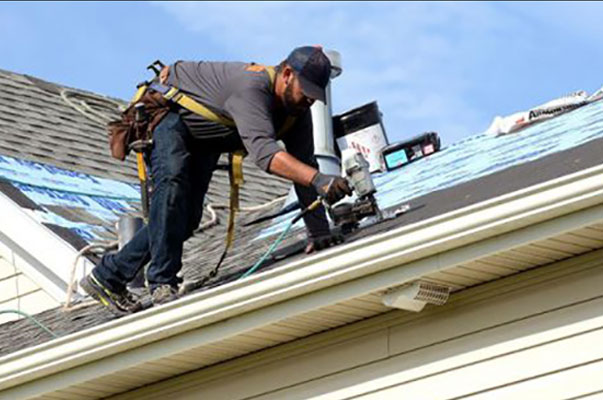
Your roof is your home’s first line of defense against the unique and often harsh weather conditions we experience in Eagle, Idaho. From heavy winter snowfalls to summer hailstorms and high winds, your roof works tirelessly to protect your family and your investment. Understanding the essentials of residential roofing—from choosing the right materials to performing routine maintenance and knowing what to do after a storm—is crucial for any homeowner.

This guide provides a comprehensive look at residential roofing in Eagle. We’ll explore the best materials for our climate, outline key maintenance steps, and walk you through identifying and addressing storm damage to ensure your home remains safe and secure for years to come.

Choosing the Right Roofing Materials for Your Eagle Home

The material you choose for your roof impacts its durability, appearance, and long-term cost. In Idaho, where we see all four seasons in full force, selecting a material that can withstand UV exposure, heavy snow loads, and potential hail is vital. Here are some of the most popular and effective options for residential homes in our area.

Asphalt Shingles

Asphalt shingles are the most common roofing material in North America for good reason. They offer a fantastic balance of cost-effectiveness, durability, and versatility. Modern architectural shingles provide a dimensional look and are engineered to withstand high winds and impact. They come in a vast array of colors to match any home’s aesthetic, making them a preferred choice for many homeowners in Eagle.

Metal Roofing

Once reserved for commercial buildings, metal roofing is gaining significant popularity for residential properties. It is exceptionally durable, fire-resistant, and excellent at shedding snow—a major plus for Idaho winters. While the initial investment is higher than asphalt, a metal roof can last 50 years or more with minimal maintenance. It’s also energy-efficient, reflecting solar heat to keep your home cooler in the summer.

Composite Roofing

Composite shingles are a high-end option made from a mix of materials like recycled plastics and rubber. They are designed to mimic the appearance of natural slate or wood shakes without the associated maintenance or high cost. Composite materials are incredibly resistant to impact, wind, and fire, offering superior protection and longevity.

Roofing Material Comparison

Material Average Lifespan Pros Cons
Architectural Asphalt 20-30 Years Cost-effective, versatile, easy to repair Shorter lifespan than other options
Metal (Steel, Aluminum) 40-70 Years Very durable, long-lasting, energy-efficient, sheds snow Higher initial cost, can be noisy in rain
Composite Shingles 50+ Years Extremely durable, low maintenance, high impact resistance Higher upfront investment

Did You Know?

Hail can cause significant, yet not immediately obvious, damage to an asphalt roof. The impact can create bruises that dislodge the protective granules, exposing the underlying mat to UV rays. This drastically accelerates the aging of the shingles and can lead to premature failure. This is why a professional roof inspection after a hailstorm is so important.

How to Spot Potential Roof Damage

Regularly inspecting your roof, especially after a major storm, can help you catch problems early before they become costly disasters. While a professional inspection is always recommended for safety and accuracy, here are some things you can look for from the ground:

1. Check Your Shingles

Using binoculars, scan your roof for shingles that are cracked, curling, or missing entirely. These are clear signs that your roof’s integrity is compromised and in need of immediate roof repair.

2. Inspect Gutters and Downspouts

Look for an accumulation of asphalt granules in your gutters. While some loss is normal for new roofs, a large amount of granules indicates that your shingles are aging and losing their protective layer, a common result of hail damage.

3. Look for Signs of Leaks Indoors

Check your attic and ceilings for water stains, discoloration, or peeling paint. These are telltale signs of a roof leak. Don’t delay investigating the source, as water damage can lead to mold growth and structural issues.

4. Examine Flashing

Flashing is the metal material used around chimneys, vents, and skylights. Ensure it is not rusted, cracked, or pulled away from the structure, as these gaps are common entry points for water.

The Importance of a Local Eagle Roofing Contractor

When you need a new roof or repairs in Eagle, Idaho, choosing a local contractor is a significant advantage. A local company like Team Construction understands the specific challenges our Treasure Valley climate presents. We have firsthand experience with the damage caused by local weather patterns and know which materials and installation techniques work best here.

Furthermore, a local contractor is invested in the community. Our reputation is built on serving our neighbors in Eagle, Meridian, and Boise with quality work. We’re here for the long haul, ready to stand behind our lifetime warranties and assist with any future needs, including navigating complex roof insurance claims. We simplify the entire process, from initial inspection to final repair, ensuring a stress-free experience for you.

Ready to Protect Your Investment?

Whether you suspect storm damage, need a routine inspection, or are planning for a new roof, Team Construction is here to help. Our experts provide honest assessments and quality workmanship you can trust.

Get a Free Estimate

Frequently Asked Questions

How often should I have my roof inspected?

It’s a good practice to have a professional roof inspection once every 1-2 years and always after a major storm involving high winds or hail. This proactive approach can save you significant money on repairs down the line.

Will my homeowner’s insurance cover a roof replacement?

Most homeowner’s insurance policies cover roof damage from unforeseeable events like storms (wind and hail). However, they typically do not cover damage resulting from old age or lack of maintenance. Team Construction specializes in insurance restoration and can help you navigate the claims process.

How long does a typical residential roof replacement take?

For an average-sized home in Eagle, a complete roof replacement can usually be completed in 1 to 3 days, depending on the weather, the complexity of the roof, and the material being installed.

Can you do a roof repair in the winter?

Yes, roof repairs can be done in the winter, though certain conditions like heavy snow or extreme cold can pose challenges. Shingles can become brittle in the cold, requiring extra care. Our experienced team knows how to handle winter repairs safely and effectively to protect your home. It’s always better to address a leak immediately, regardless of the season.

Glossary of Roofing Terms

Flashing

Pieces of sheet metal or other thin, impervious material installed to prevent water from penetrating a roof system or wall at joints, such as around chimneys, vents, and valleys.

Underlayment

A layer of water-resistant material placed between the roof deck (the wooden structure) and the shingles. It provides a secondary barrier against leaks.

Ice Dam

A ridge of ice that forms at the edge of a roof and prevents melting snow from draining off. The water that backs up behind the dam can leak into a home and cause damage to walls, ceilings, and insulation.

A Homeowner’s Guide to Storm Damage Roof Repair in Meridian, ID

Identifying and Addressing Weather-Related Roof Issues in the Treasure Valley

Idaho’s Treasure Valley is no stranger to dramatic weather. From intense summer thunderstorms with high winds and hail to heavy winter snow, your roof is the first line of defense protecting your home. When a severe storm passes through Meridian, it’s crucial for homeowners and property managers to know how to spot potential roof damage. Acting quickly can prevent minor issues from becoming major, costly problems. This guide will walk you through identifying storm damage and navigating the roof repair process to safeguard your investment.

Common Types of Storm Damage to Your Roof

Storms can inflict a variety of injuries on your roofing system, some obvious and some hidden. Understanding what to look for after the weather clears is the first step toward effective restoration. Here are the primary culprits of roof damage we see in the Meridian and Boise area.

Wind Damage

High winds can be incredibly destructive to roofing materials. They can lift and curl shingles, leaving the underlayment exposed to moisture. In more severe cases, entire sections of shingles can be torn off. Look for missing or misaligned shingles on the ground around your property. Even if a shingle is still in place, creasing or cracking from being bent back by wind indicates a compromised seal that requires professional attention. For more information, explore our services for wind and hail damage roof repair.

Hail Damage

Hail can cause significant, though often subtle, damage. It can create dents or pockmarks on asphalt shingles, displacing the protective granules. This exposes the underlying material to UV rays and moisture, drastically shortening the lifespan of your roof. Look for dark, bruised spots on your shingles or an accumulation of shingle granules in your gutters and downspouts. Metal components like vents, flashing, and chimney caps may also show visible denting.

Debris and Water Damage

Strong storms often carry flying debris like tree branches, which can puncture or scrape roofing materials, creating immediate leak points. The most insidious threat, however, is water infiltration. Damaged or missing shingles create pathways for water to seep into your attic and home structure, leading to wood rot, mold growth, and compromised insulation. Water stains on your interior ceilings or walls are a late-stage warning sign that requires immediate roof repair.

The Importance of a Professional Roof Inspection

While a ground-level check is a good starting point, it’s not a substitute for a thorough, professional evaluation. Many types of damage, like hairline cracks or compromised seals, are nearly impossible to see from the ground. Climbing onto a potentially damaged roof is dangerous and not recommended for homeowners. A qualified roofing contractor has the training and safety equipment to perform a comprehensive inspection.

Feature DIY Assessment Professional Inspection
Safety High risk of falls and injury without proper equipment. Trained and insured professionals use safety harnesses and proper techniques.
Thoroughness Limited to visible signs from the ground or attic. Misses subtle damage. Comprehensive check of shingles, flashing, seals, decking, and attic.
Documentation Basic photos may not capture evidence needed for insurance. Detailed report with photos and expert analysis for insurance claims.
Expertise May misinterpret signs or confuse normal wear with storm damage. Accurately identifies damage and recommends appropriate repairs or replacement.

A professional assessment not only ensures your safety but also provides the necessary documentation to support your roof insurance claim. At Team Construction, we offer a complimentary roof inspection to give you a clear picture of your roof’s condition.

Navigating the Roof Repair Process in Meridian

Once damage is confirmed, the path to restoration begins. As a leading Meridian roofing contractor, Team Construction simplifies this process for you. We understand that dealing with storm damage is stressful, which is why we guide you from start to finish.

  1. Initial Inspection & Assessment: We conduct a free, no-obligation inspection to assess the full extent of the damage.
  2. Insurance Claim Assistance: We work directly with your insurance company, providing them with the detailed reports and evidence they need to process your claim efficiently. Our experience helps ensure you get the full coverage you’re entitled to.
  3. Material Selection: We help you choose high-quality materials that match your home’s aesthetic and provide long-lasting protection, whether it’s for a targeted repair or a full replacement.
  4. Professional Repair or Replacement: Our skilled crews perform the work with precision and care, respecting your property and adhering to the highest industry standards for both residential and commercial roofing.
  5. Final Walkthrough & Warranty: We conclude with a final inspection to guarantee your complete satisfaction and provide information on our lifetime warranties for peace of mind.

Whether you live in Meridian, Eagle, or Boise, prompt and professional service is key to protecting your property’s value and integrity after a storm.

Don’t Wait for a Drip to Become a Disaster

Hidden roof damage can lead to serious structural issues down the line. If you suspect your Meridian home has sustained damage from a recent storm, contact the local experts at Team Construction for a complimentary, comprehensive inspection.

Schedule Your Free Inspection Today

Frequently Asked Questions

How long do I have to file an insurance claim after a storm?

Most insurance policies have a time limit for filing a claim, often between six months to two years after the storm. However, it’s always best to act immediately. Waiting too long can make it harder to prove the damage was caused by a specific weather event. Contacting us for a prompt inspection helps start the process on the right foot.

Will my insurance premiums go up if I file a claim for storm damage?

Generally, filing a claim for storm damage, which is considered an “Act of God,” should not cause your individual premium to increase. Insurance companies typically raise rates for an entire region that has experienced widespread storm damage, not on an individual basis for weather-related claims.

Should I get a full roof replacement or just a repair?

The decision depends on the age of your roof and the extent of the damage. If the damage is localized and your roof is relatively new, a professional repair might be sufficient. If the damage is widespread or your roof is nearing the end of its lifespan, a full replacement is often a more cost-effective long-term solution. Our inspection will provide a clear recommendation.

How can I tell the difference between normal wear and storm damage?

This can be difficult for an untrained eye. Normal wear often appears as uniform granule loss or gentle aging across the entire roof. Storm damage is typically more random and acute, such as missing shingles, distinct impact marks from hail, or creased shingles from wind. A professional roofing contractor can easily distinguish between the two.