How to Spot Hail & Wind Damage on a Residential Roof in Eagle, ID (And What to Do Next)

A practical homeowner guide for fast decisions after a storm

Storms in the Treasure Valley can be deceptively rough on a roof. Hail doesn’t have to be huge to knock granules loose, and wind can lift shingles just enough to start a leak weeks later. If you’re in Eagle, Idaho and you suspect damage, the goal is simple: identify warning signs early, document what you can safely see, and get a professional inspection before small problems become interior water damage.

Below is a clear checklist of what hail and wind damage looks like on most residential roofing systems, how insurance typically evaluates it, and when it’s time to bring in a local pro like Team Construction.

Primary focus keyword
Residential roofing inspections after hail and wind in Eagle, ID
Who this helps
Homeowners, landlords, and property managers who want clarity on whether a roof needs repair, restoration, or an insurance claim.

What hail damage looks like (and why it’s easy to miss)

Hail damage on asphalt shingles often shows up as granule loss, bruising, or fractured mats. Even “sub-severe” hail can contribute to granule loss—especially on shingles that have already weathered under sun and seasonal temperature swings. Research on asphalt shingles indicates that natural weathering can significantly increase how much granule loss occurs from hail impacts compared to newer material. (frontiersin.org)

Granules are not just cosmetic; they protect the asphalt layer from UV exposure and help your roof shed water. When granules are knocked loose, the roof can age faster and become more vulnerable to leaks.

Quick safety note: If the roof is steep, wet, icy, or you’re unsure about footing, skip the climb. Many “DIY inspections” turn into injuries. A ground-level review plus a professional inspection is the smart route.

Most common roof damage patterns after Treasure Valley storms

Damage type What you might notice Why it matters Next step
Hail bruising Soft spots or “impact marks” (often subtle), random pattern across slopes Can break the shingle mat and shorten roof life; may not leak immediately Schedule a professional inspection and photo documentation
Granule loss Bare spots on shingles, granules collecting in gutters/downspouts UV exposure accelerates aging; can be a key sign after hail impacts (frontiersin.org) Inspect gutters, downspouts, and roof planes; get an expert opinion
Wind-lifted shingles Creased tabs, missing shingles, edges that look “flipped” or uneven Lift breaks the seal and can lead to blow-offs and water intrusion Tarps may help temporarily; plan a repair quickly
Flashing damage Bent or separated metal near chimneys, walls, skylights, vents Flashing is a common leak source, especially after wind events Ask for a close inspection of penetrations and transitions
The National Weather Service uses 1-inch hail as the severe-thunderstorm hail threshold. That doesn’t mean smaller hail is “harmless,” but it does help explain why some storms are more likely to produce widespread roofing claims than others. (weather.gov)

Step-by-step: What to do after hail or wind (without making things worse)

1) Do a safe exterior walk-around

Look for downed branches, exposed decking, missing ridge caps, dented vents, or displaced gutter sections. Take wide photos of each roof side from the ground.

2) Check interiors for “quiet” leak signs

Scan ceilings, attic areas, and upper-level closets for staining, musty odor, damp insulation, or nail pops. Leaks often show up days after the storm, not the same afternoon.

3) Document everything (simple, but powerful)

Save storm-date notes, photos, any emergency receipts (tarps, mitigation), and a short written timeline. If an insurance claim becomes necessary, good documentation helps keep the process organized.

4) Schedule a professional roof inspection

A qualified inspector can check soft-metal indicators, shingles, flashing, underlayment conditions, and ventilation—areas homeowners can’t reliably verify from the yard.
If you need a local team that handles inspection, repair, and insurance coordination, explore wind and hail damage inspections or roof repair services through Team Construction.

Did you know? Fast facts homeowners don’t hear enough

Severe-hail threshold: The NWS severe criteria is 1-inch diameter hail, and shingle damage becomes more likely as hail size increases. (weather.gov)
Weathered shingles can be more vulnerable: Studies show that shingles exposed to natural weathering can experience substantially higher granule loss from hail compared to new shingles. (frontiersin.org)
Ice barrier requirements vary by jurisdiction: Some areas require ice barriers based on local history of ice damming; guidance is tied to local code adoption and designation. (ibhs.org)

Local angle: What Eagle homeowners should watch for

Eagle homes see a mix of summer hail events and strong seasonal winds. What makes this tricky is the “delayed symptom” problem: hail can loosen granules and wind can weaken seals, but you may not see a drip until the next melt/freeze cycle or a heavy rain.

If your property is near open exposures (fields, foothills approach, ridge lines, or areas with fewer wind breaks), wind-driven rain can exploit small weaknesses at flashing transitions, valleys, and roof penetrations. That’s why a targeted inspection—especially around vents, skylights, chimneys, and wall intersections—matters as much as checking the shingle field.

For homeowners planning a broader exterior upgrade, it can be smart to coordinate roofing with other envelope improvements like siding repair/installation and window replacement, so your home’s exterior performs as a system.
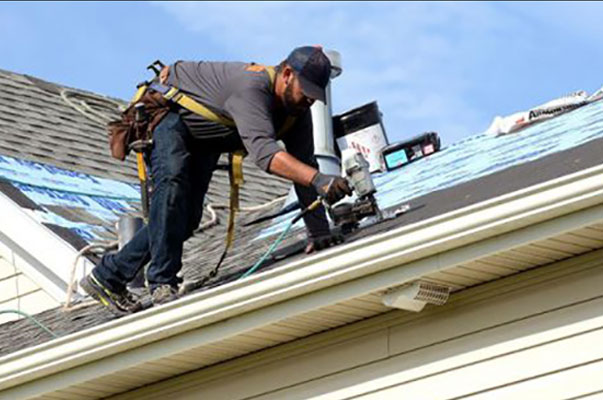
If you’re unsure whether the storm damage is “repairable” or points to a larger replacement, Team Construction can help evaluate options for residential roofing and provide guidance if an insurance claim is appropriate.

Schedule a free roof inspection in Eagle, ID

If your roof was hit by hail or wind—or you simply want peace of mind—Team Construction can inspect, document findings, and outline clear next steps (repair, maintenance, or insurance restoration support).

FAQ: Hail & wind damage roofing questions in Eagle

How soon should I get my roof inspected after a hailstorm?

As soon as conditions are safe. Early inspections help document storm-related issues before more weather hits. If you’re considering insurance, timely documentation is also helpful.

Can my roof have hail damage even if it’s not leaking?

Yes. Hail can bruise shingles or remove granules without creating an immediate leak. Over time, that damage can reduce the roof’s remaining lifespan and performance.

What are the easiest signs to spot from the ground?

Missing shingles, crooked ridge caps, bent vents, dented gutters/downspouts, and piles of granules at downspout exits. Interior ceiling stains are another major indicator.

Should I call a roofer or my insurance company first?

Many homeowners start with a professional inspection so they understand the condition of the roof and can document findings. If damage is confirmed and meets policy guidelines, you can then decide whether to file a claim.

If a repair is needed, will it match my existing shingles?

Matching depends on shingle brand, color availability, roof age, and sun fading. During an inspection, your contractor can explain realistic matching options and whether a larger scope is warranted for uniform appearance and performance.

Glossary (plain-English roofing terms)

Granules: The sand-like coating on asphalt shingles that protects against UV and helps resist weathering.
Bruising (hail): A compressed area where hail impact damages the shingle mat. It may not be obvious without a close inspection.
Flashing: Metal material used around chimneys, walls, skylights, and transitions to keep water out.
Seal strip: The adhesive line on shingles that bonds courses together; wind can break this seal and make shingles easier to lift.
Ice barrier (ice & water shield): A waterproof membrane installed at eaves/valleys in certain climates or where required by local designation to reduce ice-dam backup leaks. (ibhs.org)

Boise Homeowner’s Guide to Storm-Damage Roofing: What to Check After Wind & Hail (and When to Call a Pro)


Protect your roof, your interior, and your insurance claim—starting with the first 24 hours

In Boise and across the Treasure Valley, a single wind burst or hail cell can loosen shingles, dent vents, crack flashing, and quietly open pathways for water. The tricky part: storm damage doesn’t always look dramatic from the ground, and small issues can turn into leaks weeks later. This guide walks through what to look for, what not to do, and how a local roofing contractor like Team Construction can help you document damage and plan repairs with less stress.

Why storm damage in Boise is easy to miss

Wind and hail damage often shows up first in “weak points”—ridge caps, roof-to-wall transitions, pipe boots, valleys, and flashing around chimneys and skylights. Even if your roof doesn’t leak immediately, damage can reduce the roof’s remaining lifespan and make it more vulnerable during the next storm.

If you’re a homeowner, landlord, or property manager, your goals after a storm are simple: (1) prevent water intrusion, (2) document what happened, and (3) get an expert opinion before you approve repairs or start an insurance process.

What wind and hail typically damage on a roof

Wind damage

Wind can lift shingle edges, break adhesive seals, and pull fasteners—especially along ridges and eaves. Once the seal is compromised, shingles can flap, crease, or detach in later gusts. Manufacturers also rate shingles for wind performance using standardized tests (for example, ASTM wind classifications). (owenscorning.com)

Hail damage

Hail can bruise asphalt shingles (granule loss and softened spots), crack tiles, dent metal vents, and damage flashing. Some homeowners choose impact-resistant shingles rated under UL 2218, where “Class 4” is the highest rating used for many asphalt products. (owenscorning.com)

Quick triage: “Monitor,” “Schedule inspection,” or “Act now”

What you notice What it could mean Best next step
A few shingles look “wavy,” lifted, or misaligned Seal strip broken; future blow-offs more likely Schedule inspection within 1–2 weeks (sooner if more wind is forecast)
Shingles missing, exposed underlayment, or bare spots Active water-entry risk Act now: temporary protection + professional repair
Dents on vents, gutters, downspouts, soft metals Likely hail impacts; roof may also be affected Schedule inspection and document photos
Water spots on ceilings, bubbling paint, damp attic insulation Leak already occurring Act now: mitigation, receipts, and a roofer visit
No obvious damage from the ground, but big hail/wind in your neighborhood Hidden bruising, flashing issues, or loosened seals Schedule inspection for peace of mind and documentation

Safe, smart documentation that helps (especially for claims)

Documentation is helpful whether you file a claim or not. If you do end up working with your insurance company, Idaho’s Department of Insurance encourages consumers to ask questions throughout the claim process and keep records and receipts related to mitigation. (doi.idaho.gov)

Do this (from the ground)

Take wide photos of each roof slope from multiple angles.
Photograph dents on vents, gutters, downspouts, A/C fins, and window screens (common hail indicators).
Walk your property and collect a few hailstones (if safe), noting approximate size and time.
If there’s interior leaking, photograph ceiling stains and wet materials before you move them.

Avoid this

Climbing on a steep or wet roof (fall risk and potential to worsen damage).
Covering everything up before you document it.
Signing a contract you haven’t read carefully (Idaho DOI specifically recommends reading any contractor contract before signing). (doi.idaho.gov)

Step-by-step: what to do after a Boise wind or hail storm

1) Do a quick safety check around the home

Look for downed lines, broken branches, loose metal, or debris. Secure what you can safely. Idaho’s Department of Insurance also recommends practical wind-loss prevention steps like bringing in/anchoring outdoor items and trimming risky limbs over time. (doi.idaho.gov)

2) Look for “indicator damage”

Dented soft metals and damaged window screens can suggest hail impacts even when shingles look okay from the yard. If you find indicators, a professional roof inspection is worth scheduling.

3) Check your attic (if accessible)

Use a flashlight and look for wet decking, dark staining, or damp insulation. This helps confirm whether you’re dealing with cosmetic exterior damage or an active leak.

4) Mitigate water entry (keep receipts)

If water is getting in, place buckets, move valuables, and consider temporary covering only if it can be done safely. Keep receipts for mitigation-related expenses—this is commonly recommended for claims reimbursement review. (doi.idaho.gov)

5) Book a professional inspection (and ask for clear documentation)

A qualified roofing contractor can safely inspect slopes, valleys, flashings, vents, and ridge caps—then provide photos and a repair plan. If you need insurance assistance, Team Construction can also help you understand what documentation is useful for the process.

Helpful pages: Wind & hail damage inspections | Roof insurance claim help | Roof repair in Boise

Did you know?

Impact resistance and wind resistance are different ratings. A roof can be highly impact-resistant (hail) without automatically being the highest wind-rated product—these are measured with different standards. (owenscorning.com)

Some “hail-proof” claims are marketing shorthand. Even Class 4 shingles are designed to reduce damage—not guarantee zero damage in every storm. The real-world outcome depends on hail size, wind, roof age, ventilation, and installation quality. (owenscorning.com)

Local Boise angle: what makes Treasure Valley roofs unique

Boise homes often see a mix of hot summer sun, winter freeze-thaw cycles, and intermittent wind events. That combination can age seal strips, dry out flashings, and make older shingles less forgiving when hail hits. If your property is in Boise, Meridian, or Eagle and you’ve had multiple storms over the last few seasons, a “looks fine” roof can still be one storm away from a leak.

If you’re planning an exterior upgrade anyway, it’s also a good time to evaluate higher-performance shingle options (such as UL 2218-rated impact-resistant systems) and confirm you’re selecting products appropriate for your roof design and local code requirements. (owenscorning.com)

Also consider related exterior weak points

Wind-driven rain can expose issues beyond shingles—like aging siding seams, failing window caulk, or fascia/gutter problems. If you’re seeing drafts, water staining near windows, or warped siding after a storm, it may be worth bundling an exterior inspection.

Explore: Siding installation & repair | Window repair & replacement | Insurance restoration services

Get a free roof inspection in Boise and the Treasure Valley

If you suspect wind or hail damage, Team Construction can assess your roof, document findings, and explain repair options clearly—whether you’re paying out of pocket or working through an insurance claim.

FAQ: Storm-damage roof repair in Boise

How soon should I get my roof inspected after hail or high winds?

If you have missing shingles, interior leaks, or visible damage, schedule immediately. If the roof “looks okay” but you had significant hail or strong winds nearby, an inspection within 1–2 weeks is a practical window for documentation and early repairs before the next weather system.

Should I call insurance first or call a roofing contractor first?

Many homeowners start by getting a professional inspection and photos so they understand what they’re dealing with. If you choose to file a claim, Idaho’s Department of Insurance recommends staying organized, asking questions, and keeping documentation and receipts tied to mitigation. (doi.idaho.gov)

What are signs of hail damage I can see without climbing on the roof?

Look for dents on roof vents, gutters, and downspouts; damaged window screens; granules collecting at downspout exits; and shingle pieces in the yard. These “indicator” signs often justify a professional inspection.

Do impact-resistant shingles guarantee I won’t have hail damage?

No material can promise zero damage in every storm. Impact-resistant shingles (often referenced as UL 2218 Class 4) are designed to better withstand impacts and reduce cracking compared to standard shingles. (owenscorning.com)

Can you help with both repair work and the insurance process?

Team Construction provides storm-damage inspections, repair/replacement, and claim assistance. If you’re dealing with wind or hail damage in Boise, Meridian, or Eagle, start with a free inspection and clear documentation.

Glossary (quick definitions)

Flashing: Sheet metal (or similar material) installed at transitions (chimneys, walls, valleys) to prevent water intrusion.

Pipe boot: A flashing component that seals around plumbing vents that penetrate the roof.

Seal strip: The adhesive strip that bonds shingles together; wind can break this bond.

UL 2218 Class 4: A common impact-resistance rating used for some roofing products; Class 4 is the highest rating in this standard. (owenscorning.com)

Mitigation: Temporary steps to prevent additional damage (like containing leaks). Keep receipts for potential claim review. (doi.idaho.gov)

Looking for a local roofing contractor in Boise? Visit Team Construction to learn about residential and commercial roofing options, inspections, and repair services.

Roof Insurance Claims in Meridian, Idaho: A Practical Step-by-Step Guide After Wind or Hail Damage

What to do first, what to document, and how to avoid costly claim mistakes

Wind and hail events can leave behind damage that’s easy to miss from the ground—lifted shingles, bruised matting, loosened flashing, or punctures that turn into leaks weeks later. If you’re in Meridian (or anywhere in the Treasure Valley) and you suspect storm damage, the insurance process can feel complicated: timelines, photos, adjuster visits, estimates, depreciation, deductibles, and paperwork. This guide breaks down roof insurance claims into clear steps you can follow—so you can protect your property, preserve your coverage, and move from storm to repairs with less stress.

How roof insurance claims typically work (in plain English)

A roof insurance claim is a request for your insurance carrier to pay for covered storm-related damage. Most homeowners policies cover “sudden and accidental” damage (like wind) and often cover hail—subject to your deductible and your policy’s specific wording. The carrier usually sends an adjuster (in-person or virtual) to confirm damage and write a scope of repairs. Once approved, payment may come in stages: an initial payment (often based on actual cash value) and a later payment (replacement cost “recoverable depreciation”) after work is completed, depending on your policy.

Two realities homeowners don’t expect

1) Damage isn’t always visible from your yard. Hail bruising, lifted edges, punctures, and flashing damage may require a safe rooftop inspection to identify.
2) Documentation often matters as much as the damage itself. Clear photos, notes, and receipts can prevent delays and reduce back-and-forth with the carrier.

Step-by-step: What to do after a storm (and why each step matters)

Step 1: Prioritize safety and stop active water intrusion

If water is actively entering, you may need temporary measures (like a tarp) to prevent additional damage. Document the condition first when safe, then take reasonable steps to protect the home. Save all receipts for any emergency materials or temporary repairs. FEMA’s consumer guidance emphasizes photographing damage before cleanup/repairs when possible and keeping receipts. (fema.gov)

Step 2: Document the storm and the damage (before anything changes)

Take wide and close-up photos/video of:

• Exterior elevations (all sides), roofline, gutters/downspouts, vents, skylights, chimney/metal flashings
• Interior ceilings and walls (stains, bubbling paint, wet insulation if visible)
• Any collateral damage (siding dings, window screen tears, dented soft metals)
• Temporary repairs (tarping) and the exact areas protected
• Receipts for supplies, dehumidifiers, fans, or emergency services

NAIC and FEMA both emphasize photos/videos and keeping receipts as core claim documentation. (fema.gov)

Step 3: Call a trusted local roofer for a professional inspection

A qualified inspection helps you understand whether the roof needs a repair, a partial replacement, or a full replacement—and it helps you speak clearly with your carrier. If you’re in Meridian or the Treasure Valley, Team Construction offers complimentary inspections and can help you identify storm-related damage patterns and what to document for your claim.

Step 4: File the claim and keep communication in writing

When you contact your insurance company, provide your policy number, date of loss, address, and a clear description of what happened. Keep a simple claim folder: photos, notes, emails, invoices, and a call log (date/time/summary). Consumer guidance recommends documenting transactions and maintaining records of communications. (consumerreports.org)

Step 5: Prepare for the adjuster appointment

Have your documentation ready and ask questions about anything you don’t understand (scope, depreciation, code upgrades, matching rules, and whether your policy pays replacement cost or actual cash value first). If the inspection is in-person, you can ask the insurer for the adjuster’s name ahead of time and verify identification at the appointment. (consumerreports.org)

Common claim pitfalls (and how to avoid them)

Pitfall Why it causes problems Better approach
Waiting too long to report Some policies require “prompt” notice; delays can complicate cause-and-effect. If you suspect storm damage, document it and contact your carrier soon—then schedule an inspection.
Throwing away evidence It removes proof of loss (materials, photos, room context). Photograph first; keep receipts; save samples when relevant. (fema.gov)
Signing confusing paperwork on the spot Certain agreements can affect how money is paid and who controls the claim. Read everything; ask what it means; don’t sign under pressure (especially anything involving payment rights).
Falling for “too good to be true” promises State regulators warn about red flags like promising a full replacement or “waiving” deductibles. Work with established local contractors, verify licensing/insurance, and keep the process transparent. (doi.idaho.gov)

Where Team Construction can help (without taking over your decisions)

Many homeowners want a contractor who can speak “insurance language” while still focusing on craftsmanship. Team Construction can provide a clear inspection, photo documentation support, an itemized estimate, and practical guidance so you can communicate effectively with your carrier.

Local angle: Roof claims in Meridian and the Treasure Valley

Meridian homes see a mix of weather stressors—high winds, hail events, temperature swings, and sun exposure that can accelerate aging on asphalt shingles and roof sealants. After a major storm, a neighborhood can show very different outcomes depending on roof age, ventilation, shingle type, slope, and how well flashing details were installed.

If your property is in Meridian, Boise, or Eagle, it’s worth scheduling an inspection even if you don’t see obvious leaks. Small storm issues (like lifted tabs or soft metal hits) can turn into bigger interior repairs if they’re left through another season.

Schedule a complimentary roof inspection in Meridian

If you suspect wind or hail damage, the safest next step is a professional inspection and a clear plan. Team Construction provides straightforward recommendations—repair when possible, replace when necessary—and can help you navigate the claim process from documentation to completion.

Get a Free Estimate / Inspection

Prefer to start with claim help? Visit: Roof Insurance Claims

FAQ: Roof insurance claims (Meridian, ID)

How do I know if my roof damage is from hail or just age?

Hail damage often shows as bruising or granule loss in specific impact patterns, along with dents on soft metals (vents, flashing, gutters). Age-related wear is more uniform and may show brittle shingles, widespread granule loss, or long-term flashing deterioration. A professional inspection helps separate “storm” from “wear and tear,” which matters for coverage.

Should I call my roofer or my insurance company first?

If there’s active leaking, address safety and temporary protection immediately. Otherwise, many homeowners find it helpful to start with a roof inspection so they can file the claim with clear documentation and a better understanding of what’s actually damaged.

What should I photograph for my roof insurance claim?

Take photos and videos of exterior and interior damage before cleanup, and keep receipts. Include wide shots of each elevation and close-ups of affected areas. FEMA and NAIC both emphasize documentation and receipts as key claim support. (fema.gov)

Can I do temporary repairs before the adjuster comes?

If you need to prevent additional damage, temporary measures are often appropriate. Photograph first when possible, keep receipts, and avoid discarding damaged materials before documenting. (fema.gov)

What are “red flags” I should watch for after a hailstorm?

The Idaho Department of Insurance warns consumers to be cautious of unsolicited “insurance experts,” anyone guaranteeing a full replacement, or anyone suggesting deductible waivers/free upgrades. Stick with reputable local contractors and keep the process transparent. (doi.idaho.gov)

Glossary (helpful roof-claim terms)

Actual Cash Value (ACV)
The value of the roof or item today, typically replacement cost minus depreciation (age/wear).
Replacement Cost Value (RCV)
What it costs to replace with similar materials and labor at today’s pricing (subject to your policy terms).
Recoverable Depreciation
The portion of depreciation your insurer may pay later after repairs are completed and documentation is submitted (varies by policy).
Scope of Work
The written description of what will be repaired/replaced (materials, quantities, methods). This drives cost and coverage discussions.
Flashing
Sheet metal details at edges, walls, chimneys, and penetrations that prevent water intrusion—commonly damaged by wind.
Assignment of Benefits (AOB)
An agreement that may allow a third party to seek payment from the insurer. NAIC notes it can be useful, but it should be understood before signing.