Storm-Ready Roofing in Eagle, Idaho: A Practical Guide to Wind & Hail Protection (and What to Do After Damage)

Know what “storm-ready” really means for Treasure Valley roofs

In Eagle and across the Treasure Valley, roofs take a beating from seasonal wind events, sudden hail bursts, temperature swings, and winter moisture that can find its way into the smallest weak spot. A storm-ready roof isn’t just “new shingles”—it’s a system: durable materials, correct installation details, smart ventilation, and a plan for what to do right after a storm. This guide breaks down what matters most so you can protect your home, avoid surprise leaks, and make confident decisions if damage shows up.

1) What wind & hail actually do to a roof (and why it’s not always obvious)

Wind and hail damage often starts subtly. A roof can look “fine” from the driveway while hidden issues build up that later become interior stains, mold risk, or wood rot. In Eagle, it’s common for damage to show up on ridge caps, at roof edges, around vents, and along valleys—places where wind pressure and water flow concentrate.

Common wind-related problems

Lifted or creased shingles: Wind can break the seal strip, creating a pathway for wind-driven rain.
Missing ridge caps: Ridge areas are exposed and can peel back first.
Flashing failures: Metal flashing at chimneys, walls, and penetrations can loosen and leak.
Gutter and edge damage: Fascia, drip edge, and gutters can loosen, letting water move where it shouldn’t.
 

Common hail-related problems

Granule loss: Granules protect asphalt shingles from UV—loss can shorten roof life.
Bruising (mat damage): Impacts can fracture the shingle beneath the surface even if it looks “cosmetic.”
Accessory damage: Soft metals (vents, flashings), skylight components, and gutters can show dents first.

2) Materials that help in hail zones: UL 2218 Class 3 vs Class 4 (plain-English)

If you’re planning a replacement—or you’re rebuilding after a storm—impact-rated shingles are worth discussing with your roofing contractor. Impact resistance is commonly measured using ANSI/UL 2218 testing. Class 4 is the highest rating and is often referred to as the “steel ball test,” where a 2-inch steel ball is dropped from 20 feet to evaluate cracking. (owenscorning.com)

Option What it means Best fit in Eagle/Treasure Valley Trade-offs
Standard architectural shingles Not specifically impact-rated; performance depends heavily on install details Budget-driven replacements, low to moderate hail exposure May show hail wear sooner; repairs/claims more likely over time
UL 2218 Class 3 Impact-tested to Class 3 criteria (a step up from standard) Homes wanting improved durability without premium pricing Not the highest rating; still may sustain damage in larger hail
UL 2218 Class 4 Highest UL impact rating; designed to better withstand hail impacts under controlled testing Storm-conscious homeowners, rental owners, and property managers seeking fewer repair cycles Higher upfront cost; product choice and warranty terms vary

Note: Impact ratings are based on standardized lab testing and don’t guarantee zero hail damage in real storms. Some insurers may offer premium discounts for Class 4 roofs depending on carrier and policy, but it’s not automatic—confirm with your agent before you buy materials. (gaf.com)

3) The install details that matter most (even more than brand names)

In storm-prone conditions, roofs fail at the “details”: edges, penetrations, and transitions. If you’re comparing bids, ask how each contractor addresses the system—not just the shingle color.

High-impact checklist for Eagle, ID homes

Starter strip + proper edge detailing: Helps prevent wind from getting under the first course of shingles.
Correct nailing pattern: Under-driven or high nails can reduce wind performance.
Ice & water protection in vulnerable zones: Especially valleys, eaves, and around penetrations.
Ventilation balanced with insulation: Reduces condensation risk and helps roof components last longer.
Flashing that’s rebuilt (not “reused” by default): Step flashing and counterflashing are frequent leak sources when shortcuts happen.
For homeowners comparing a repair vs. restoration vs. replacement, Team Construction’s roofing resources can help you understand options and timing:

Residential roofing in the Treasure Valley (inspection, maintenance, replacement)
Wind & hail damage inspections (what to do after a storm)

4) What to do after a wind or hail event: step-by-step (homeowner friendly)

If a storm rolls through Eagle, a calm, documented response makes a big difference—especially if an insurance claim becomes necessary.

Step 1: Start with safety and interior signs

Check ceilings, attic access areas, and around exhaust fans for new staining, damp insulation, or dripping. If you see active leaking, place a container and move valuables—then call a roofer for emergency guidance.


Step 2: Document what you can from the ground

Take photos of downspout dents, gutter damage, torn screens, damaged siding, or fallen branches. If neighbors’ roofs show visible issues, note it—hail paths can be highly localized.


Step 3: Schedule a professional roof inspection

Walking a roof can be dangerous and can also cause additional shingle scuffing or breakage. A professional inspection helps separate cosmetic marks from functional damage and creates a clear scope for repairs.


Step 4: If insurance is involved, keep the process organized

Save photos, inspection notes, receipts for emergency mitigation, and dates/times of calls. If a claim is warranted, having your contractor communicate clearly with the adjuster can reduce confusion and prevent missed line items.

5) Local Eagle, Idaho considerations: what homeowners miss

Eagle sits in a region where weather can shift quickly. That means your best defense is consistency: routine inspections, fast response after high-wind days, and upgrades that reduce weak points at eaves, valleys, and penetrations.

Practical “Treasure Valley smart” upgrades

Consider impact-rated shingles when re-roofing: UL 2218 Class 4 is the top tier, and many homeowners choose it for hail resilience. (owenscorning.com)
Keep trees trimmed back: Reduces branch impacts and debris loading during wind events.
Check attic ventilation: Helps reduce moisture buildup and can improve shingle longevity.
Bundle exterior improvements: If you’re also planning siding or window upgrades, coordinating timelines can reduce disruption and improve weather-tightness across the whole envelope.
Related exterior services that often pair well with roof work:

Schedule a complimentary roof inspection in Eagle

If you suspect wind or hail damage—or you’re planning a replacement and want guidance on storm-resistant options—Team Construction can help you evaluate your roof, document conditions, and map out next steps with clear recommendations.

FAQ: Roofing, wind, hail & inspections in Eagle, ID

How do I know if hail damage is “real” if I don’t see leaks?

Many hail impacts don’t leak immediately. Damage may be granule loss or bruising that shortens shingle life and increases the chance of future leaks. A professional inspection helps confirm whether marks are functional damage or cosmetic wear.

What are Class 4 shingles, and are they worth it in Idaho?

“Class 4” typically refers to shingles that pass the UL 2218 impact test at the highest level. They’re designed to better withstand hail impacts under controlled testing and can be a smart choice if you prioritize durability and fewer repair cycles. (owenscorning.com)

Can wind damage be repaired, or does it usually require replacement?

It depends on the age of the roof, the extent of lifted/creased shingles, and whether water intrusion has started. Localized repairs can be effective when caught early; widespread creasing or missing shingles often points toward larger corrective work.

Should I call insurance first or call a roofing contractor first?

If you have active leaking or safety issues, call a contractor right away for mitigation guidance. If the roof is stable, a professional inspection first can help you understand whether damage is present and whether a claim is appropriate.

How often should roofs be inspected in Eagle?

A good baseline is once per year, plus after major wind or hail events. Annual inspections help catch small flashing or seal issues before they become interior damage.

Glossary (quick definitions)

ANSI/UL 2218

A standardized impact-resistance test used to rate certain roofing products. Ratings range from Class 1 to Class 4, with Class 4 being the highest. (owenscorning.com)

Flashing

Metal components installed at roof transitions (chimneys, walls, valleys, vents) to keep water from entering the structure.

Seal strip

A factory-applied adhesive line on asphalt shingles that helps bond shingle courses together for wind resistance.
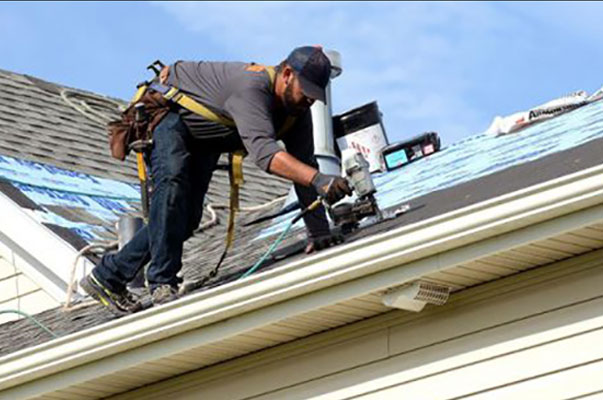
Common Roof Problems in Eagle, ID: A Homeowner’s Guide to Repairs

Protecting Your Treasure Valley Home Starts from the Top

For homeowners in Eagle, Idaho, a sturdy and reliable roof isn’t a luxury—it’s a necessity. The Treasure Valley’s distinct four-season climate, from hot, dry summers to cold winters with snow and occasional high winds, puts constant stress on your home’s most critical shield. Ignoring minor issues can quickly lead to major, costly damage. Understanding the common roof problems local homeowners face is the first step in protecting your investment and ensuring your family stays safe and dry. Whether it’s a small leak or significant damage after a storm, knowing when to call for a professional roof repair in the Boise area can save you time, money, and stress.

Identifying Key Signs of Roof Damage

Early detection is crucial for minimizing repair costs and preventing structural issues. Many signs of roof trouble are visible from the ground, while others require a closer look. Here are the most prevalent problems to watch for on your Eagle home.

Leaks and Water Intrusion

The most obvious sign of a problem is a water stain on your ceiling or walls. Leaks can originate from various sources, including damaged shingles, failing flashing around chimneys or vents, or ice dams that form during winter. Even a small leak can lead to mold growth, rotted framing, and damaged insulation, compromising your home’s structural integrity and air quality. If you suspect an issue, getting a prompt roof inspection in Boise is essential.

Damaged or Missing Shingles

Walk around your property and look up at your roof. Do you see shingles that are cracked, curled at the edges, or buckling? Are there any missing altogether, especially after a windstorm? These are clear indicators that your roof’s primary water-shedding layer is compromised. The intense sun in the summer can cause shingles to age and become brittle, while strong winds can lift and tear them away, leaving the underlayment exposed.

Wind and Hail Damage

The Treasure Valley is no stranger to sudden, severe weather. Hail can leave dents or pockmarks on asphalt shingles, dislodging the protective granules that shield them from UV rays. High winds can create a lifting effect on the edges of your roof, breaking the sealant and making it easy for rain to get underneath. After any significant storm, it’s wise to schedule an inspection to assess for potential hail or wind damage. Often, this damage isn’t visible from the ground but can cause slow leaks over time.

Clogged Gutters and Poor Drainage

While not part of the roof itself, your gutters play a vital role in its health. If they become clogged with leaves, pine needles, or other debris, water can back up and overflow. This trapped moisture can seep under the eaves and into the roof decking, causing rot and decay. In winter, clogged gutters contribute to the formation of destructive ice dams.

Did You Know?

  • The granular surface on asphalt shingles does more than add color; it protects the shingle from UV radiation, which can cause it to become brittle and fail prematurely.
  • Proper attic ventilation is crucial for your roof’s longevity. It helps regulate temperature and moisture levels, preventing ice dams in the winter and reducing heat buildup in the summer that can bake shingles from underneath.
  • Many homeowner’s insurance policies cover storm-related damage. A professional contractor can help document the issues and guide you through the roof insurance claims process.

The Eagle, ID Factor: Local Roofing Challenges

Living in Eagle provides a fantastic quality of life, but our local environment presents specific challenges for roofs. The freeze-thaw cycle during late fall and early spring can be particularly harsh. Moisture that gets into small cracks can freeze, expand, and turn minor issues into significant gaps. This makes timely repairs on your Eagle, Idaho roof even more critical.

Furthermore, the strong sun exposure at our elevation can accelerate the aging of roofing materials. This is why choosing quality materials and a contractor with local experience is so important. A professional team understands which materials stand up best to Idaho’s climate and how to install them for maximum durability and performance, whether it’s for a residential home or a commercial property.

Don’t Wait for a Drip to Become a Downpour

Your roof is too important to leave to chance. If you’ve noticed any of the warning signs or simply want peace of mind, contact the trusted local experts at Team Construction for a complimentary, no-obligation roof inspection.

Get Your Free Estimate

Frequently Asked Questions

How often should I have my roof inspected?

It’s a good practice to have your roof professionally inspected at least once every two years, and always after a major storm involving high winds or hail. Regular inspections can catch small problems before they escalate.

Can my roof be repaired, or does it need to be replaced?

This depends on the age of your roof and the extent of the damage. If the damage is localized to one area or if the roof is relatively new, a repair is often sufficient. However, if the roof is nearing the end of its typical lifespan (20-25 years for asphalt shingles) or has widespread damage, a replacement might be more cost-effective in the long run.

Will my insurance cover the cost of a roof repair?

Most homeowner’s insurance policies cover roof damage caused by “acts of God,” such as wind, hail, or falling trees. They typically do not cover damage resulting from normal wear and tear or lack of maintenance. At Team Construction, we specialize in insurance restoration and can help you navigate the claims process.

What happens during a professional roof inspection?

A professional inspector from Team Construction will safely examine all aspects of your roofing system. This includes the condition of the shingles, the integrity of the flashing around chimneys and vents, the state of your gutters, and the condition of the attic ventilation. We document our findings with photos and provide you with a clear, honest assessment and a free estimate for any necessary work.

Is It Time for a New Roof? A Homeowner’s Guide to Residential Roofing in Nampa, ID

Protecting Your Nampa Home from the Top Down

Your roof is your home’s first line of defense against Nampa’s distinct seasons—from hot, sunny summers to cold, snowy winters. But like any part of your property, it has a lifespan. Over time, exposure to sun, wind, rain, and hail can take its toll, leading to potential issues that compromise the safety and integrity of your home. Recognizing the signs of a failing roof is crucial for preventing minor issues from becoming major, costly problems. This guide will help you identify when it’s time to consider a residential roofing replacement and what to look for in a trusted local contractor.

Key Warning Signs Your Roof Needs Replacement

Don’t wait for a leak to appear in your living room. Proactive inspection can save you significant stress and money. Look for these common indicators of a worn-out roof:

Curled or Missing Shingles

Shingles should lie flat. If you see edges curling up or patches where shingles are completely gone, your roof is vulnerable. This is often a sign of advanced age or significant wind and hail damage, exposing the underlayment to moisture.

Granules in the Gutters

Asphalt shingles are coated with granules that protect them from UV rays. When these wear away, you’ll find them collecting in your gutters. This “balding” indicates your shingles are nearing the end of their effective life.

Leaks and Water Stains

The most obvious sign of a problem. Check your attic regularly for signs of water intrusion, dark spots, or sagging. On interior ceilings, look for discoloration or peeling paint. A small leak can lead to widespread structural damage and mold growth if ignored.

Benefits of a New Roof: More Than Just a Repair

Investing in a new roof offers benefits that extend far beyond simply keeping the rain out. It’s an upgrade to your entire home.

Boost Your Home’s Value and Curb Appeal

A new roof is a major selling point for potential buyers. It not only improves the aesthetic of your property but also gives the next owner peace of mind. Modern roofing materials come in a variety of styles and colors to perfectly match your home’s architecture.

Improve Energy Efficiency

Older roofs often lack modern underlayment and ventilation technology. A new roofing system can improve airflow in your attic, reducing the burden on your HVAC system during Nampa’s hot summers and keeping your home warmer in the winter. This often translates to lower monthly energy bills.

Ensure Structural and Family Safety

A failing roof can lead to serious structural issues with rafters, joists, and wall framing. A new roof, professionally installed, ensures your home is structurally sound and protects your family from the elements and potential hazards like mold growth caused by hidden leaks.

Did You Know?

The average asphalt shingle roof has a lifespan of 20-30 years. However, the intense sun and storm cycles in the Treasure Valley can sometimes shorten this. If your roof is approaching the 20-year mark, a professional inspection is a wise investment to assess its remaining life and catch any potential problems early.

The Nampa Climate and Your Roof

Living in Nampa means your roof needs to withstand a wide range of weather conditions. The intense summer sun can cause thermal shock, expanding and contracting roofing materials, which leads to cracking. Winter brings snow and the risk of ice dams, where melted snow refreezes at the edge of the roof, forcing water up under the shingles. This is why professional installation with proper ice and water shields is non-negotiable in our region. When considering a roof repair or replacement, it’s essential to choose materials and a contractor familiar with the specific challenges of the Treasure Valley climate.

Choosing the Right Nampa Roofing Contractor

Your roofing contractor is your partner in protecting your most valuable asset. Look for a company that is:

  • Local and Experienced: A contractor based in the Treasure Valley understands local building codes and weather challenges. longevity in the community is a sign of reliability.
  • Licensed and Insured: Protect yourself. Ensure your contractor carries full liability insurance and worker’s compensation.
  • An Insurance Claim Specialist: If your roof has storm damage, you need a team that can work directly with your insurance company. This simplifies the process, ensuring all damage is documented and your roof insurance claim is handled correctly.
  • Transparent with Free Estimates: A reputable company will offer a complimentary, no-obligation inspection and a detailed estimate outlining all costs.

Team Construction is proud to be a locally owned and operated contractor meeting all these standards for homeowners in Nampa and across the Treasure Valley.

Don’t Wait for a Disaster to Strike

A proactive approach to your roof’s health will protect your home and save you money. If you’ve noticed any of the signs mentioned or your roof is over 15 years old, it’s time for a professional assessment.

Schedule Your Free Inspection Today

Frequently Asked Questions

How long does a typical roof replacement take in Nampa?

For an average-sized home, a full residential roof replacement can usually be completed in 1 to 3 days. The timeline can be affected by factors like the weather, the complexity of the roof’s design, and the type of materials being installed.

What is the best type of roofing material for Idaho’s weather?

Architectural asphalt shingles are an excellent and popular choice for the Treasure Valley. They offer superior durability, wind resistance, and longevity compared to standard 3-tab shingles. They also come in a wide range of styles to enhance your home’s curb appeal.

Will my homeowner’s insurance cover a new roof?

Homeowner’s insurance typically covers roof replacement if the damage is caused by an “act of God,” such as a hail or wind storm. It generally does not cover replacement due to old age or lack of maintenance. At Team Construction, we offer free inspections and can help you determine if you have a valid claim and assist you through the entire insurance restoration process.