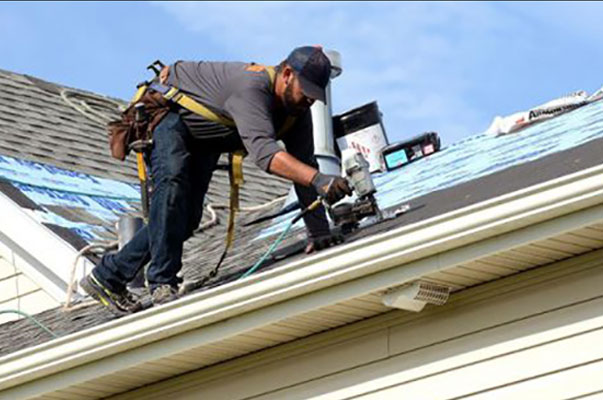
Protecting Your Nampa, ID Investment
For any business owner in Nampa, Idaho, the roof over your head is more than just a structure; it’s the primary shield protecting your assets, employees, and operations. Our local climate, with its hot, dry summers and cold, snowy winters, puts unique stress on commercial roofing systems. Choosing the right material and the right partner for installation and maintenance is a critical business decision that impacts your bottom line, energy costs, and long-term security. This guide provides the essential information Nampa and Treasure Valley business owners need to navigate the world of commercial roofing and make a smart, lasting investment.
Why Your Commercial Roof is Your Most Important Asset
A high-performance commercial roof does more than just keep the rain out. It’s an integral part of your building’s structural integrity and energy efficiency. A failing roof can lead to costly disruptions, inventory damage, and potential safety hazards. Conversely, a well-maintained, modern roofing system provides significant returns through enhanced protection, lower utility bills, and increased property value. From retail locations and offices to warehouses and multi-family units, the right roof is fundamental to success.
Popular Commercial Roofing Systems in the Treasure Valley
Navigating the options for commercial roofing can seem complex. Each system has unique benefits suited for different building types, budgets, and the specific demands of the Idaho climate. Here are some of the most common and effective choices for Nampa businesses.
TPO (Thermoplastic Olefin) Roofing
TPO has become an industry leader for flat or low-slope roofs. It is a single-ply membrane known for its durability and energy efficiency. The typically white, reflective surface helps bounce summer sun away from the building, reducing the strain on your HVAC system and lowering cooling costs. TPO is also highly resistant to punctures, tears, and chemical exposure, making it a robust choice for many Nampa businesses.
EPDM (Ethylene Propylene Diene Monomer) Roofing
Often referred to as a “rubber roof,” EPDM is a synthetic rubber membrane that has been a trusted choice for decades. Its key advantages include exceptional durability, flexibility, and longevity—often lasting 30 years or more with proper care. EPDM performs very well in colder temperatures, as its flexibility allows it to expand and contract without cracking. While traditionally black (which helps absorb heat and melt snow in winter), white EPDM options are also available for improved energy efficiency.
Metal Roofing
Metal roofing is prized for its exceptional lifespan, durability, and resistance to fire and extreme weather. Ideal for various roof slopes, systems made from steel or aluminum can last 40 to 70 years. They are excellent at shedding snow and resisting high winds, making them a very practical choice for the Idaho climate. While the initial investment may be higher, the low maintenance and incredible longevity often make it a cost-effective solution over the long term.
PVC (Polyvinyl Chloride) Roofing
PVC is another single-ply membrane system known for its strength and long-term performance. The seams are heat-welded to form a monolithic, watertight barrier across the entire roof surface. PVC is highly resistant to chemicals, grease, and fire, making it a popular choice for restaurants and industrial facilities. Its expected lifespan is typically between 20 to 30 years.
Commercial Roofing Systems at a Glance
| System Type | Average Lifespan | Key Benefits for Nampa |
|---|---|---|
| TPO | 20-30 Years | Excellent energy efficiency in summer, puncture-resistant. |
| EPDM | 25-30+ Years | Great flexibility in cold weather, proven longevity. |
| Metal | 40-70 Years | Superior durability, sheds snow easily, fire resistant. |
| PVC | 20-30 Years | Very strong seams, chemical and grease resistant. |
Signs Your Commercial Roof Needs Attention
Proactive maintenance and inspection are key to maximizing your roof’s lifespan and preventing catastrophic failures. If you observe any of the following signs, it’s time to schedule a professional roof inspection.
- Water Stains or Leaks: The most obvious sign of a problem. Water stains on ceilings or walls indicate a breach in the roofing system.
- Pooling Water: Water that remains on a flat roof 48 hours after rain suggests drainage issues that can accelerate deterioration.
- Bubbles or Blisters: These indicate trapped moisture or air beneath the roof membrane, which compromises its integrity.
- Cracked or Peeling Seams: The seams are the most vulnerable part of many roofing systems. Any separation or cracking requires immediate attention.
- Increased Energy Bills: A sudden, unexplained spike in heating or cooling costs could mean your roof’s insulation has been compromised.
Damage from hail or high winds can be hard to spot from the ground. After any significant weather event in Nampa, a professional assessment is crucial. If damage is found, experienced contractors can help you navigate the often complex roof insurance claims process to ensure your property is fully restored.
Did You Know?
A white, reflective “cool roof” can lower rooftop temperatures by as much as 50°F on a sunny day. This translates directly into lower energy consumption and can extend the life of the roof by reducing thermal stress.
Your Local Nampa Roofing Partner
As a business based in the Treasure Valley, Team Construction understands the specific challenges our climate presents. We’re not just contractors; we’re your neighbors. We have years of experience installing and maintaining commercial roofing systems on all types of properties in Nampa, Meridian, and across the valley. We know the local building codes and work to ensure every project meets the highest standards of quality and safety. Choosing a local, trusted expert means getting a solution tailored specifically for your Nampa property’s needs.
Ready to Secure Your Nampa Business?
Don’t wait for a small issue to become a major expense. Protect your investment with a professional roof inspection from Team Construction. We provide comprehensive assessments, clear estimates, and expert craftsmanship for repairs and replacements.
Frequently Asked Questions
How long does a commercial roof typically last?
The lifespan of a commercial roof varies significantly by material. A built-up roof might last 20-30 years, while single-ply systems like TPO and EPDM often last 20-30 years. Metal roofs are the most durable, with lifespans of 40-70 years or more. Regular maintenance is critical to achieving any roof’s maximum lifespan.
How often should I have my commercial roof inspected?
It’s recommended to have your commercial roof professionally inspected at least twice a year—once in the spring and once in the fall—to prepare for and recover from harsh weather seasons. An inspection is also essential after any major weather event, like a severe hail or wind storm.
Can my commercial roof be repaired, or does it need to be replaced?
Whether a roof can be repaired depends on its age, the extent of the damage, and the material. Minor punctures, seam issues, or flashing damage can often be repaired effectively. However, if the damage is widespread, the membrane is past its service life, or there are underlying structural issues, a full replacement is often the more cost-effective and safer option. An expert from Team Construction can provide an honest assessment.
Will a new roof installation disrupt my business operations?
Professional roofing contractors work to minimize disruption as much as possible. At Team Construction, we coordinate with you to create a project timeline that respects your operating hours and business needs, ensuring a smooth and efficient process from start to finish.